
Why do vets perform rectal exams on pets? The answer is simple: this quick check can detect serious health issues before they become major problems. While it might seem uncomfortable (for both you and your furry friend), a rectal examination gives veterinarians crucial information about your pet's digestive, urinary, and reproductive health. We've seen countless cases where this routine procedure caught conditions like infections, tumors, or prostate issues early - making treatment easier and more effective. Think of it like your annual physical: you might not enjoy it, but you know it's important for your health. The same goes for your pet! From checking anal glands to assessing lymph nodes, here's why this awkward exam could be one of the most valuable parts of your pet's check-up.
E.g. :Positive Dog Training Methods That Actually Work
- 1、Why Your Furry Friend Might Need That "Awkward" Check-Up
- 2、Boys vs. Girls: Special Checks for Each Gender
- 3、The Hidden Benefits You Never Considered
- 4、When Things Get Serious: Cancer Detection
- 5、Making It Easier for Everyone
- 6、The Unexpected Social Benefits of Vet Visits
- 7、The Financial Wisdom Behind Those Embarrassing Exams
- 8、The Emotional Payoff of Being a Responsible Pet Parent
- 9、Turning Awkwardness Into Adventure
- 10、FAQs
Why Your Furry Friend Might Need That "Awkward" Check-Up
The Scoop on Poop: More Than Just a Smelly Situation
Let's be honest - nobody enjoys talking about rectal exams, but they're like that broccoli your mom made you eat: good for you even when unpleasant. During this quick check, your vet can actually collect a stool sample without you having to play "poop detective" at home. How convenient is that?
Think about the last time your dog had diarrhea. Wasn't it frustrating not knowing why? A fecal examination can reveal parasites, infections, or digestive issues that might be causing those messy accidents on your new carpet. We've all been there - cleaning up at 2 AM wondering "why me?" Well, this simple test could prevent those midnight messes!
Getting Hands-On: What Exactly Are They Feeling For?
Your vet's fingers become super-powered diagnostic tools during this exam. They're checking for:
| What They're Feeling | Why It Matters |
|---|---|
| Rectal wall texture | Could indicate inflammation or tumors |
| Anal gland condition | Prevents painful infections |
| Muscle tone | Shows nerve function health |
Remember when your dog did that embarrassing "butt scoot" across the living room? That was probably anal gland trouble - something easily checked during this exam. Much better than explaining that behavior to dinner guests!
Boys vs. Girls: Special Checks for Each Gender
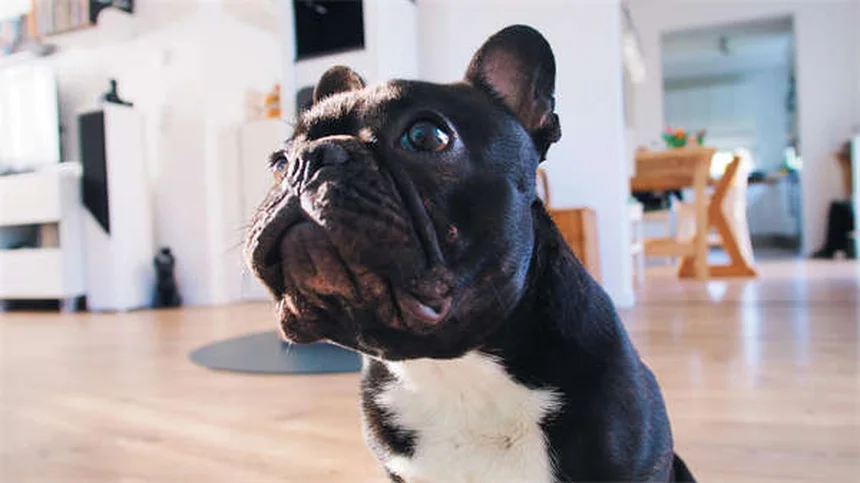 Photos provided by pixabay
For the Guys: Prostate Patrol
Did you know male dogs can get prostate issues just like human men? It's true! During the exam, your vet can feel if the prostate is enlarged - a common problem in unneutered males. Early detection here can prevent serious complications later.
Here's a funny thought: your dog's prostate exam is probably less stressful than yours! While you're sweating in the doctor's office, Fido just gets some extra belly rubs and maybe a treat afterward. Talk about unfair!
For the Ladies: Girl Parts Check-Up
Female pets get their own special checks too. The vet can assess parts of the reproductive tract that might indicate infections or other issues. No speculums or uncomfortable positions - just a quick external check that gives valuable information.
Ever noticed your cat acting differently during heat cycles? This exam could help determine if there's more going on than just normal hormonal changes. Because let's face it - nobody wants a moody cat AND medical issues!
The Hidden Benefits You Never Considered
Urinary Tract Detective Work
That tiny tube carrying urine out of your pet's body? It can get blocked or inflamed, causing serious pain. Did you know part of the urethra runs right under the rectum? That's why this exam can catch urinary issues before they become emergencies.
Imagine your dog straining to pee - not fun for anyone. This simple check could prevent that scary (and expensive) midnight trip to the emergency vet. Your wallet will thank you!
 Photos provided by pixabay
For the Guys: Prostate Patrol
Here's something surprising: your vet can actually feel parts of the pelvis during this exam. If your pet took a tumble or got hit by a car (heaven forbid!), this check helps assess potential injuries. Early detection of pelvic misalignment can prevent long-term mobility issues.
Think about older pets with arthritis. Pressing gently on certain spots helps identify painful areas so we can manage their discomfort better. Because every pet deserves to chase squirrels pain-free in their golden years!
When Things Get Serious: Cancer Detection
The Lymph Node Lowdown
Those hidden lymph nodes near the pelvis? They're like tiny alarm systems. When enlarged, they could signal infection or even cancer. Early detection is everything - catching these changes early can literally save your pet's life.
Remember my neighbor's golden retriever? Routine rectal exam caught swollen lymph nodes that turned out to be early-stage lymphoma. Two years later after treatment, Buddy's still fetching tennis balls like a puppy. That's the power of prevention!
Mystery Masses: Better Safe Than Sorry
During the exam, your vet's checking for any unusual lumps or bumps in all reachable areas. But here's the million dollar question: How would you know if there's a problem in these hidden areas without this exam? You wouldn't - and that's why it's so valuable!
Most masses turn out to be harmless, but finding the scary ones early makes all the difference. It's like checking your smoke detectors - you hope you'll never need them, but you'll sleep better knowing they work.
Making It Easier for Everyone
 Photos provided by pixabay
For the Guys: Prostate Patrol
Vets always save this exam for last - because let's face it, nobody's at their best after that! Smart scheduling means your pet can relax for most of the visit before the quick, uncomfortable part.
Pro tip: Bring extra tasty treats. A little bribery goes a long way in making the experience less stressful. My dog would do anything for freeze-dried liver - even tolerate a rectal exam!
When Sedation Helps
For wiggly or anxious pets, sedation can turn a traumatic experience into a peaceful nap. No shame in this game - we want what's easiest and safest for your furry family member.
Many pets get this exam while already sedated for dental cleanings or other procedures. Two birds, one stone - and your pet wakes up none the wiser! Sometimes ignorance really is bliss.
At the end of the day, this quick exam provides a wealth of information that could save your pet's life or prevent serious illness. Isn't that worth a few moments of discomfort? I think so - and I bet your pet would agree (if they could talk about such things politely!).
The Unexpected Social Benefits of Vet Visits
Your Dog's Social Media Profile
You know what's better than posting another cute dog picture? Being able to brag about your pet's perfect health report card! Regular check-ups give you actual bragging rights at the dog park. "Oh, Bella's anal glands? Perfectly normal according to our vet yesterday!" Watch how fast you become the most responsible pet parent in your circle.
Think about it - when was the last time you had interesting small talk about something other than the weather? Vet visits provide endless conversation starters. That time the vet found a weird parasite? Instant dinner party story! Way more exciting than discussing mortgage rates.
The Waiting Room Networking
Vet offices are like accidental social clubs for animal lovers. You're stuck there anyway - might as well make friends! I've gotten more business contacts and even a few dates from casual waiting room chats. Pro tip: The person holding the trembling chihuahua usually has the best stories.
Here's a fun fact: my neighbor and I became best friends after bonding over our cats' simultaneous rectal exams. Nothing brings people together like shared awkward experiences! Now we have standing coffee dates after our pets' vet appointments.
The Financial Wisdom Behind Those Embarrassing Exams
Prevention vs. Emergency Costs
Let's talk numbers - because your wallet deserves attention too! Check out how much you could save:
| Preventive Care | Emergency Treatment |
|---|---|
| $50-100 for routine exam | $500+ for blocked anal glands |
| $30 fecal test | $2000+ for parasite complications |
| Free vet advice during check-up | $150 emergency consult fee |
See that difference? That's your next vacation fund right there! I learned this the hard way when I skipped my cat's check-up and ended up paying for IV fluids at midnight. Never again!
Insurance Perks You Didn't Know About
Here's a little secret: many pet insurance plans reward you for preventive care. My provider gives me a 10% discount just for doing annual exams! Some even cover the full cost of routine tests if you catch problems early. Now that's what I call a win-win!
Remember my friend who laughed at me for getting pet insurance? Guess who's not laughing now that her dog needed $5,000 cancer treatment? Regular check-ups helped me avoid that financial nightmare completely.
The Emotional Payoff of Being a Responsible Pet Parent
Peace of Mind That's Priceless
There's this warm fuzzy feeling you get when the vet says "everything looks great!" Can you really put a price tag on that? I sleep better knowing I'm doing everything possible to keep my furry buddy healthy. No more midnight Google searches about "why is my dog scooting?"
Last month, my anxiety disappeared when the vet confirmed my dog's weird butt-licking habit was just allergies, not some terrible disease. That relief alone was worth the slightly awkward exam!
The Bond That Grows Stronger
You know what's beautiful? How your pet learns to trust you through these experiences. My rescue dog used to shake at the vet - now he wags his tail because he knows treats and cuddles always follow the uncomfortable parts. That's trust you can't buy.
Funny story: my cat actually purrs during exams now because she associates them with extra attention afterward. She's basically trained me to spoil her rotten post-vet visits! Not complaining though - those cuddle sessions are the highlight of my week.
Turning Awkwardness Into Adventure
The Post-Vet Celebration Tradition
Here's my favorite life hack: turn every vet visit into a mini-adventure. We always stop at the pet store afterward for a new toy or hit the drive-thru for a puppuccino. Why should kids have all the fun with lollipops at the doctor? My dog now gets excited when he sees the vet office because he knows fun follows!
Pro tip: Keep special "vet day only" treats that your pet goes crazy for. My dog gets these stinky salmon treats he loves - they're like his version of ice cream after getting shots. The excitement completely overshadows any exam discomfort!
Your Personal Growth Opportunity
Let's be real - if you can calmly discuss your pet's bowel movements with a stranger, you can handle any awkward social situation. Vet visits build character! I've applied this confidence to job interviews, first dates, even negotiating with car salesmen. If I survived the "anal gland talk," everything else seems easy!
Here's something unexpected: learning to advocate for my pet's health made me better at advocating for myself too. Who knew that requesting a gentler exam technique for my shy cat would translate into asking for raises at work? Life skills come from the strangest places!
E.g. :10 Reasons Why Your Pet Might Need a Rectal Exam | PetMD
FAQs
Q: Is a rectal exam really necessary for my pet?
A: Absolutely! While it might seem invasive, rectal exams provide vets with critical health information that can't be obtained any other way. We can check for parasites in stool samples, assess anal gland health, examine the prostate in male dogs, and detect abnormalities in the rectal wall. Many pet owners don't realize that about 30% of middle-aged male dogs develop prostate issues that are easily detectable during this exam. It's much better to catch potential problems early than wait until your pet shows obvious symptoms of discomfort or illness.
Q: Won't this procedure hurt or traumatize my pet?
A: Most pets tolerate the brief discomfort remarkably well, especially when we use plenty of lubrication and gentle handling. In our practice, we always save this exam for last and follow it immediately with treats and praise. For particularly anxious or sensitive animals, we can use mild sedation to make the experience stress-free. Remember - the momentary discomfort is far outweighed by the potential health benefits. We've never had a pet hold a grudge over this routine check!
Q: How often should my pet have a rectal examination?
A: We recommend including this exam in your pet's annual wellness check starting around age 2-3 years. For senior pets (7+ years) or those with specific health concerns, we might suggest more frequent checks. Certain breeds prone to anal gland issues (like small dogs) or prostate problems (like unneutered males) may benefit from semi-annual exams. Think of it like changing your car's oil - regular maintenance prevents bigger problems down the road!
Q: What health problems can a rectal exam detect?
A: This simple procedure can reveal surprisingly diverse conditions including: intestinal parasites, anal gland infections, prostate enlargement, rectal tumors, pelvic injuries, urinary blockages, and lymph node abnormalities. We've diagnosed everything from simple constipation to early-stage cancers during these exams. The rectal area is like a window into your pet's internal health - giving us access to multiple body systems with just one quick check.
Q: My pet is small - is a rectal exam still possible?
A: Size definitely matters when it comes to rectal exams! While we can perform them on most medium and large dogs awake, tiny pets often require sedation for safety and comfort. The good news? We frequently coordinate these exams with other procedures (like dental cleanings) when sedation is already planned. For our smallest patients, we might use specialized pediatric instruments to minimize discomfort. Rest assured, we'll always tailor the approach to your pet's specific needs and comfort level.