What is a Coggins test for horses? The answer is simple: it's your horse's ticket to travel and protection against a deadly virus! A Coggins test checks for equine infectious anemia (EIA), a disease with no cure that can spread through fly bites or contaminated equipment. Here's the good news - thanks to decades of testing, EIA cases have dropped to less than 0.01% annually in the U.S.
I've been through this process dozens of times with my own horses, and let me tell you - that negative Coggins result is worth its weight in gold. You'll need it for everything from crossing state lines to entering competitions. The test itself is quick (just a blood draw), but the paperwork is what keeps your horse legal. Most vets charge between $20-$70, and results typically come back within a week.
Here's what many horse owners don't realize: even if your horse never leaves the property, annual testing helps protect the entire equine community. That's why we recommend every horse get tested yearly - it's the responsible choice for all of us who love these amazing animals.
E.g. :Griseofulvin for Horses: Your Complete Guide to Ringworm Treatment
- 1、Understanding the Coggins Test for Horses
- 2、The Testing Process Demystified
- 3、Cost and Preparation Tips
- 4、Results Timeline and Smart Planning
- 5、Why This Matters to Every Horse Owner
- 6、Beyond the Basics: Lesser-Known Facts About EIA
- 7、Real-World Consequences of Skipping Tests
- 8、Creative Ways to Remember Annual Testing
- 9、Myth-Busting Common Misconceptions
- 10、How Testing Technology Keeps Improving
- 11、FAQs
Understanding the Coggins Test for Horses
What Exactly Is This Test About?
Ever tried crossing state lines with your horse? Then you've definitely needed a negative Coggins test – it's like your horse's passport! This test checks if your horse carries equine infectious anemia (EIA), a nasty virus that causes fever, weight loss, and can be fatal. No cure exists, so prevention is key!
Here's the scary part: flies or dirty needles can spread EIA between horses. Some infected horses show no symptoms but remain contagious. That's why we test annually – to catch these silent carriers before they start an outbreak. Positive cases must live in permanent quarantine (200+ yards from other horses) or face humane euthanasia.
Why Your Horse Absolutely Needs One
Imagine trying to board a plane without ID – that's your horse without a Coggins test! Whether you're heading to:
- State parks
- Boarding facilities
- Competitions
You'll need current negative results. Federal regulations require testing for interstate travel too. Think of it as your horse's health license – no test, no travel!
The Testing Process Demystified
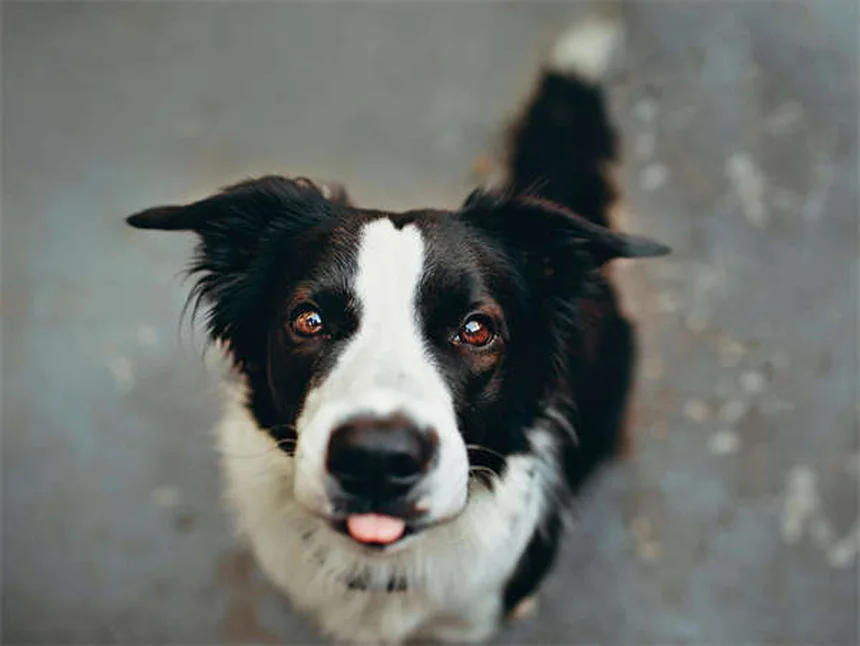 Photos provided by pixabay
What Happens During the Test?
Your vet becomes a blood-drawing pro for this one! They'll collect a sample from your horse's neck vein and send it to a USDA-approved lab. The paperwork includes either:
| Handwritten Version | Digital Version |
|---|---|
| Physical description + sketch | Actual photos of your horse |
Did you know there are two testing methods? Let's break them down:
AGID vs. ELISA: The Testing Showdown
AGID testing (the gold standard) takes 24 hours but gives definitive results. It detects EIA antibodies that only infected horses produce.
ELISA testing is faster (under an hour) but sometimes cries wolf with false positives. Any positive ELISA result gets confirmed with AGID – better safe than sorry!
Cost and Preparation Tips
Breaking Down the Expenses
Wondering about the damage to your wallet? Typical costs range $20-$70, but factors like:
- Your location
- Lab fees
- Vet's time
can affect the final bill. Some labs charge extra per batch of tests – ask about "accession fees" upfront!
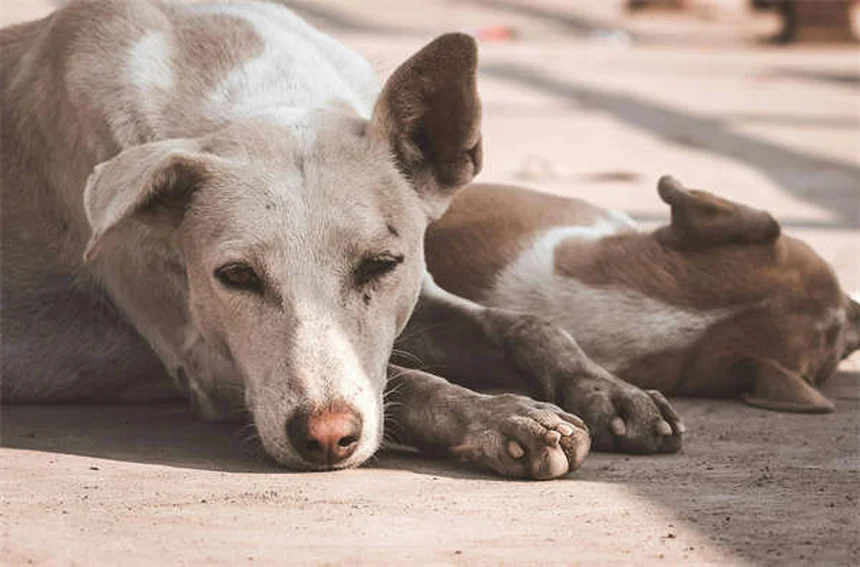 Photos provided by pixabay
What Happens During the Test?
Is your horse needle-shy? Start practicing weeks before! Try this:
- Gently touch their neck vein area
- Use treats and praise
- Gradually introduce light pressure
Bonus tip: Give them a spa day before testing – clean horses make for better ID photos!
Results Timeline and Smart Planning
When Will You Get Answers?
Results can come:
- Same day (if your vet has lab equipment)
- 3-7 days for shipped samples
Pro tip: Mark your calendar when you get results! Coggins tests expire yearly, so schedule next year's test while you're thinking about it.
FAQs Answered
What if my horse tests positive? First, don't panic! The lab runs confirmatory tests. If confirmed, state officials will guide you through next steps.
How long is the test valid? Exactly 365 days – set a reminder before it expires!
Why This Matters to Every Horse Owner
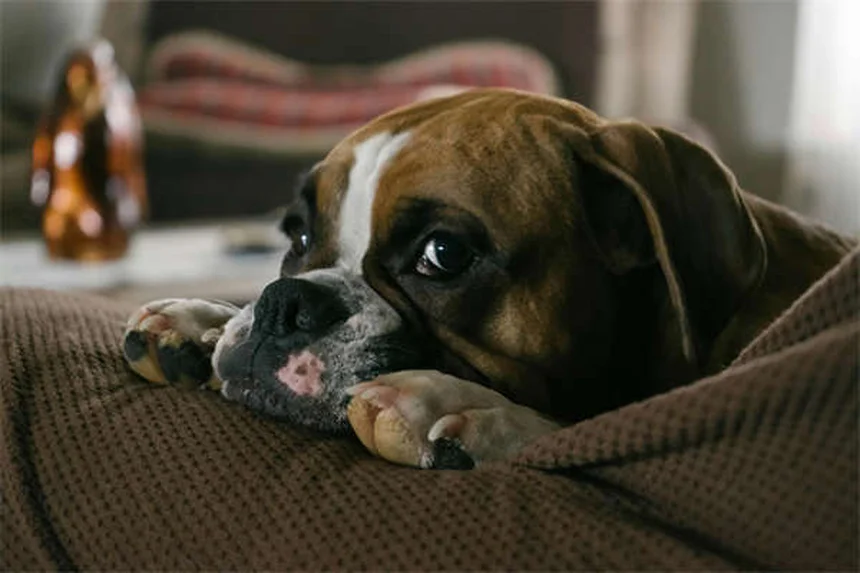 Photos provided by pixabay
What Happens During the Test?
Did you know EIA cases have dropped below 0.01% annually thanks to Coggins testing? That's what happens when horse owners like you stay vigilant!
Here's something to ponder: What would happen if we stopped testing? Outbreaks would surge, potentially costing millions in veterinary care and lost training time. Your $50 test helps protect the entire equine community!
Making Testing Easier
Turn test day into positive bonding time! Bring your horse's favorite treats, stay calm, and maybe schedule a relaxing trail ride afterward. Remember – this quick test gives you peace of mind for a whole year of adventures!
Beyond the Basics: Lesser-Known Facts About EIA
The Surprising History of This Disease
Did you know EIA was first identified during the Civil War? Cavalry horses were dropping like flies, and vets called it "swamp fever" because they noticed it near wetlands. Modern research shows mosquitoes and biting flies love those areas too - nature's dirty needles!
Here's a wild fact: Before the Coggins test existed in the 1970s, entire barns would sometimes be euthanized to stop outbreaks. Can you imagine losing every horse because one got sick? That's why Dr. Leroy Coggins became an equine hero - his test saved countless lives!
Other Animals at Risk
While we focus on horses, did you realize mules and donkeys can catch EIA too? Here's how different equines compare:
| Animal | Infection Rate | Symptoms |
|---|---|---|
| Horses | Most common | Severe |
| Mules | Moderate | Milder |
| Donkeys | Rare | Often none |
This explains why trail riders with mixed groups need extra caution - that seemingly healthy donkey could be carrying the virus!
Real-World Consequences of Skipping Tests
When Good Intentions Go Wrong
Remember that 2006 Kentucky outbreak? A well-meaning rescuer took in an untested horse that turned out positive. Within months, 17 farms quarantined and 6 horses euthanized. The kicker? A $25 test could've prevented it all.
Here's something that might surprise you: Some states allow Coggins-free horse sales if the animal never leaves the property. But what happens when that "backyard horse" needs emergency vet care? Suddenly you're scrambling for a test while your colicking horse suffers - not a situation I'd wish on anyone!
The Financial Domino Effect
Think testing is expensive? Try these costs:
- $500/day for quarantine facilities
- $2,000+ for confirmatory testing during outbreaks
- Priceless loss of training/competition time
I once met a dressage rider who missed Nationals because her barn got quarantined - all from one untested new arrival. Her tearful story convinced me: Testing protects dreams, not just health.
Creative Ways to Remember Annual Testing
Make It a Celebration
Why not turn test day into "Horse Health Day"? My barn does this:
- Coggins testing in the morning
- Vaccines and dental checks after
- Potluck lunch for owners
We even have silly awards like "Best Blood Donor" (for calmest horse during draws). Laughter makes the process way more fun!
Tech to the Rescue
Set these helpful reminders:
- Google Calendar with vet's contact info
- Phone alerts 1 month before expiration
- Photo of last test date in your horse's album
Pro tip: Snap a selfie with your horse post-test! The date stamp becomes a perfect record, plus you get cute memories.
Myth-Busting Common Misconceptions
"My Horse Never Leaves Home"
Here's a question that stumps many owners: How could a stay-at-home horse get EIA? Those pesky flies can travel up to 200 yards between farms! I've seen cases where horses caught it from neighboring pastures without direct contact.
Consider this - vets, farriers, and equipment move between barns constantly. That shared hoof pick or needle could become a viral taxi if we're not careful. Testing protects your horse from the world coming to them!
"The Test Is Just Bureaucracy"
Let me tell you about Sam, a skeptical rancher who avoided testing for years. Then his prize stallion tested positive after showing zero symptoms. Sam's entire breeding program nearly collapsed before the lab discovered it was a false positive from vaccine interference.
That scare changed his mind - now he tests religiously and even volunteers at EIA awareness events. Sometimes we need close calls to appreciate prevention!
How Testing Technology Keeps Improving
The Future Is Faster
Researchers are developing stall-side tests that give results in 15 minutes! Imagine getting your Coggins results before finishing grooming. These aren't approved yet, but show how technology keeps advancing.
Current innovations include:
- Digital microchips storing test history
- Blockchain-secured health records
- AI-assisted image matching for ID
The day may come when your phone alerts you to renew tests automatically - how cool is that?
Global Perspectives
Ever wonder why some countries don't require Coggins tests? Places like Australia have different insect vectors and lower EIA risks. But here's an eye-opener: Many international competitions now demand testing anyway, creating a de facto global standard.
This table shows how requirements vary:
| Country | Testing Required? | Frequency |
|---|---|---|
| USA | Yes | Annual |
| Canada | Most provinces | 6-12 months |
| UK | No | N/A |
The takeaway? Even if you travel abroad, testing shows you're a responsible owner. That reputation opens doors!
E.g. :What Is a Coggins Test and Why Does My Horse Need It?
FAQs
Q: How often does my horse need a Coggins test?
A: Your horse needs a fresh Coggins test every single year - no exceptions! I know it might seem like overkill, but here's why this annual check matters: EIA can spread silently between horses, and that yearly test is our best defense. Most boarding facilities, competitions, and state lines require current paperwork (within 12 months). Pro tip: Mark your calendar when you get results! Set a reminder for 11 months later so you never get caught with expired paperwork right before a big event.
Q: What happens if my horse tests positive for EIA?
A: First, don't panic - false positives can happen! The lab will automatically run a second confirmatory test. If both come back positive, here's what you need to know: your horse will need to live in permanent quarantine (at least 200 yards from other horses) or face humane euthanasia. I know this sounds scary, but remember - with today's testing standards, true positives are extremely rare (less than 0.01% of cases). The important thing is that you're doing your part to protect all horses by testing regularly.
Q: Can I travel with my horse without a Coggins test?
A: Absolutely not - and here's why you shouldn't even try! Every state requires current negative Coggins paperwork for interstate travel. I've seen horses turned away at competitions and state parks because their paperwork was just one day expired. The fines aren't worth it either - some states charge hundreds of dollars for violations. Save yourself the headache and always check your paperwork dates before traveling. Most vets recommend getting tested at least 2 weeks before any planned trips.
Q: Why does the test require photos or drawings of my horse?
A: Great question! The photos or drawings are like your horse's official ID card - they prove the test results actually belong to your horse. Digital Coggins certificates use photos, while paper versions include detailed descriptions and sketches. Here's a pro tip from experience: make sure your horse is clean and well-groomed for test day! Those identification photos stay with your paperwork for a full year, and you don't want your champion looking like they just rolled in the mud.
Q: My horse hates needles - how can I prepare them for the blood draw?
A: As someone who's worked with needle-shy horses, I feel your pain! Here's what works: start practicing weeks in advance by gently handling your horse's neck area. Use positive reinforcement with treats when they stay calm. Some owners have great success with clicker training. On test day, bring their favorite treats and stay relaxed yourself - horses pick up on our energy. Remember, this quick poke protects your horse's health for a whole year!