
Ever wondered how to get started with dog dancing? The answer is: any dog can learn to dance with the right training! Whether you want to compete or just have fun in your living room, dog dancing creates an amazing bond between you and your furry friend. I've trained my Beagle Charlie to do everything from simple heelwork to full freestyle routines - and let me tell you, the look on people's faces when he moonwalks is priceless!
You don't need to be a professional dancer or have a show dog to enjoy this activity. Basic obedience skills and a love of music are all you really need to begin. In this guide, I'll share the exact steps we used to go from clumsy first attempts to polished routines that wow audiences. Get ready to discover how dog dancing can transform your relationship with your pet while giving you both great exercise!
E.g. :7 Easy Ways to Clean Dog Paws (Vet-Approved Methods)
- 1、Getting Started with Dog Dancing
- 2、Mastering Heelwork to Music
- 3、Exploring Canine Freestyle
- 4、Training Tips for Success
- 5、Competition Preparation
- 6、Taking Your Skills Further
- 7、Common Challenges and Solutions
- 8、Safety First
- 9、The Joy of Dog Dancing Communities
- 10、Music Selection Secrets
- 11、Beyond the Basics: Creative Props
- 12、Traveling with Your Dancing Dog
- 13、Documenting Your Journey
- 14、When Things Don't Go as Planned
- 15、FAQs
Getting Started with Dog Dancing
Why Should You Try Dancing With Your Dog?
Imagine this - you and your furry best friend moving in perfect harmony to your favorite song. Dog dancing isn't just for professionals - it's for anyone who wants to bond with their pet in a fun, creative way. Whether you want to compete or just dance around your living room, this activity brings joy to both humans and dogs.
I've seen firsthand how dog dancing can transform the relationship between owner and pet. My neighbor's Golden Retriever, Max, used to be shy around strangers. After six months of dance training, he's now the star of our local dog park, showing off his spins and jumps to anyone who'll watch!
Different Styles of Dog Dancing
There are several exciting styles to choose from:
| Style | Difficulty Level | Best For Dogs Who... |
|---|---|---|
| Heelwork to Music | Intermediate | Love following precise commands |
| Canine Freestyle | Advanced | Enjoy showing off tricks |
| Musical Freestyle | All Levels | Have good rhythm |
Did you know that some competitions even have costume contests? Last year's national champion dressed their Poodle as a ballerina - complete with a tiny tutu!
Mastering Heelwork to Music
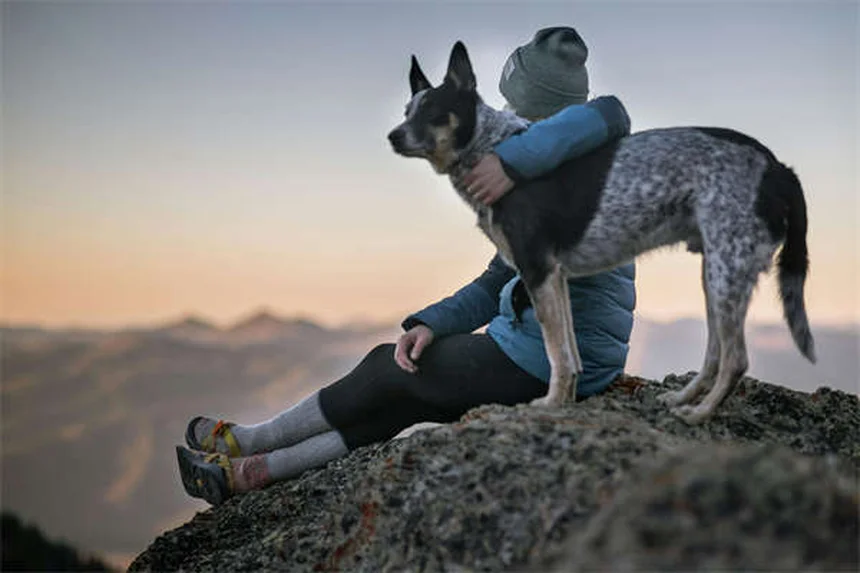 Photos provided by pixabay
The Basics of Heelwork
Think of heelwork as the foundation of dog dancing. Your dog needs to stay perfectly in sync with your movements, like they're attached to you with an invisible leash. But here's the catch - they need to heel on both sides, not just the left like in traditional obedience training.
When I first tried this with my Beagle, Charlie, we looked more like a comedy act than a dance team. He kept bumping into my legs and getting tangled up. But with patience (and lots of treats), we eventually got the hang of it. Now he can do perfect circles around me while maintaining eye contact!
Advanced Heelwork Moves
Once you've mastered basic heeling, you can try these impressive moves:
- Backwards walking in unison
- Perfectly timed pivots
- Spiral patterns
- Figure-eight formations
Remember - precision is key in heelwork. Judges look for teams that move as one unit. It's not about flashy tricks here, but about showing that incredible connection between you and your dog.
Exploring Canine Freestyle
What Makes Freestyle Special?
If heelwork is like classical ballet, freestyle is more like jazz - full of creativity and personal expression. Here, your dog can jump, spin, and even weave through your legs. The possibilities are endless!
Have you ever seen a dog do the moonwalk? I have! At last year's regional competition, a Border Collie named Jazz stole the show with her perfect imitation of Michael Jackson's signature move. The crowd went wild!
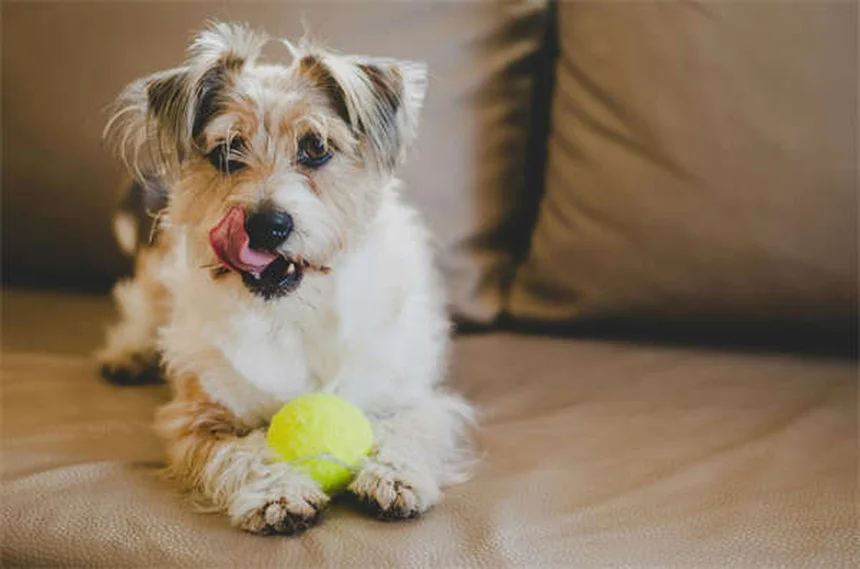 Photos provided by pixabay
The Basics of Heelwork
Start simple - choose 3-4 tricks your dog knows well and build around them. Here's what worked for me:
- Pick an upbeat song (about 2 minutes long)
- Map out where you'll be on the "stage"
- Practice transitions between tricks
- Add some dramatic pauses for effect
Don't forget - in competition, you can only use verbal cues and hand signals. No treats or leashes allowed! This means your dog needs to be completely focused on you.
Training Tips for Success
Building the Right Foundation
Before you start dancing, your dog should master these basic commands:
- Sit/stay
- Down/stay
- Heel (both sides)
- Come when called
Why is basic obedience so important? Because dance routines are essentially strings of commands performed to music. If your dog doesn't respond reliably to basic cues, you'll both end up frustrated.
Using Clicker Training Effectively
The clicker is your secret weapon for perfect timing. Here's how to use it:
- Click the exact moment your dog performs the correct move
- Immediately follow with a treat
- Gradually add the verbal cue
- Fade out the clicker as the behavior becomes consistent
I keep my clicker in a special pocket during practice sessions. Charlie knows that "click" sound means he's done something right - his tail starts wagging before he even gets the treat!
Competition Preparation
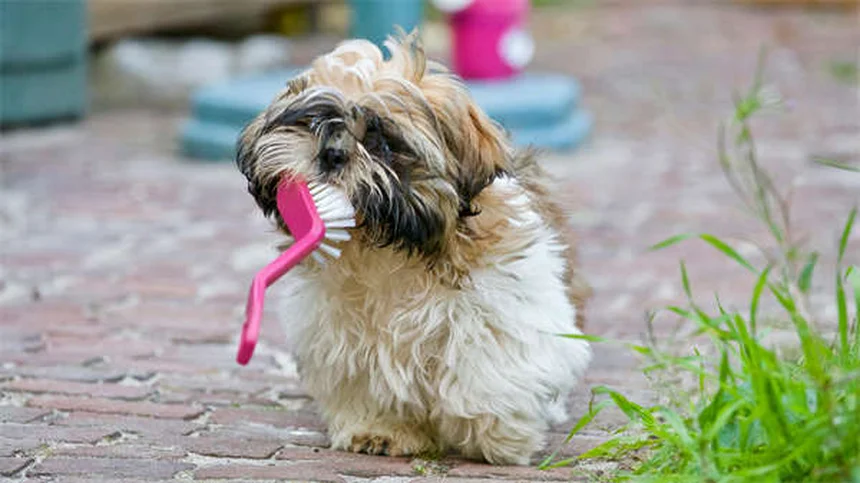 Photos provided by pixabay
The Basics of Heelwork
Judges look at three main areas:
- Technical Skill - How well the moves are executed
- Artistic Impression - Creativity and musical interpretation
- Teamwork - The connection between handler and dog
At our first competition, we lost points because Charlie kept looking at the audience instead of me. Now we practice with distractions - I'll have friends clap or wave toys while we rehearse.
Costume Considerations
Costumes should:
- Complement your music theme
- Allow full range of motion
- Not interfere with your dog's movement
- Be comfortable for both of you
Pro tip: Always do a dress rehearsal! That sparkly vest might look great, but if it makes your dog scratch constantly, it's not competition-worthy.
Taking Your Skills Further
Finding Local Communities
Search for:
- Canine freestyle clubs
- Obedience training centers
- Dog sport meetups
- Local competitions to observe
The dog dancing community is incredibly supportive. When we attended our first workshop, experienced handlers spent hours giving us pointers. Now we pay it forward by helping newcomers!
Performance Opportunities
Beyond competitions, consider:
- Nursing home visits
- Children's hospital performances
- Community festival demonstrations
- Local TV talent segments
There's nothing more rewarding than seeing seniors light up when Charlie does his signature spin-and-bow finish. The joy we bring makes all the practice worthwhile.
Common Challenges and Solutions
When Your Dog Loses Focus
Try these focus-building exercises:
- Practice in increasingly distracting environments
- Use higher-value treats during difficult sections
- Keep sessions short and positive
- End on a successful note
Remember - dogs aren't machines. If your partner seems tired or distracted, it's okay to take a break. We once spent an entire practice session just cuddling and playing fetch instead of drilling routines.
Breaking Through Plateaus
When progress stalls:
- Change up your training location
- Try new music genres
- Learn from different instructors
- Attend workshops for fresh perspectives
Plateaus happen to everyone. Last winter, Charlie refused to learn any new moves for weeks. Then suddenly one day, he performed the entire routine perfectly - as if he'd been practicing in his sleep!
Safety First
Protecting Your Dog's Health
Always:
- Warm up with gentle stretches
- Check the floor surface for traction
- Watch for signs of fatigue
- Consult your vet about any concerns
Large breed dogs especially need careful monitoring during jumps and spins. My friend's Great Dane needed physical therapy after overdoing it in practice. Now they stick to low-impact moves.
Age-Appropriate Training
Puppies should focus on:
- Basic obedience
- Building confidence
- Low-impact movements
Senior dogs excel at:
- Musical interpretation
- Precision heelwork
- Expressive performances
Charlie started at age 3, but I've seen brilliant dancers as young as 1 year (with careful training) and as old as 12! It's never too late to start.
The Joy of Dog Dancing Communities
Why Joining a Community Matters
You know what's better than dancing with your dog alone? Dancing with dozens of other dog lovers! Local dog dancing clubs offer weekly meetups where you can swap choreography ideas and troubleshoot training challenges. Last month at our Chicago group, we had a "move swap" where everyone taught their signature step - my Lab now knows how to do a perfect leg weave thanks to a retired dance instructor's Shih Tzu!
These communities often organize flash mob performances at parks. Picture twenty dogs and their humans suddenly breaking into synchronized routines to "Uptown Funk" - the confused but delighted expressions on bystanders' faces are priceless!
Online Resources You Shouldn't Miss
The digital world offers incredible tools for dog dancers:
- Facebook groups with daily training challenges
- YouTube channels analyzing championship routines
- Instagram accounts showcasing creative costumes
- Zoom workshops with world champion handlers
I particularly love the #DogDancingDaily hashtag - it's where beginners post their progress and get encouragement from pros. When Charlie first learned to spin on command, that community's positive feedback kept us motivated through the messy intermediate phase!
Music Selection Secrets
Finding the Perfect Song
Ever notice how some routines just flow better than others? That's usually because of smart music choices. The ideal dog dancing track has:
- Clear, consistent beats (helps with timing)
- Dynamic changes (allows for dramatic moments)
- Appropriate length (2-3 minutes for competitions)
- No sudden loud noises (won't startle your dog)
Here's a fun trick: play different genres and watch your dog's reaction. Charlie always perks up at disco tunes - his tail starts wagging to the beat! - so we built our first successful routine around "Stayin' Alive."
Editing Music for Maximum Impact
Don't be afraid to tweak songs to fit your routine:
| Editing Technique | Purpose | Example |
|---|---|---|
| Fade out early | Shorten song length | Ending at 2:30 instead of 3:00 |
| Loop sections | Extend important moments | Repeating chorus for trick sequence |
| Adjust tempo | Match your dog's pace | Slowing down for senior dogs |
Free apps like Audacity make this surprisingly easy. Just last week, I edited "Happy" by Pharrell to include extra beats before the chorus - perfect timing for Charlie's big jump!
Beyond the Basics: Creative Props
Safe Prop Ideas to Enhance Routines
Judges love creative prop use when done safely. Some crowd-pleasers include:
- Hula hoops (for jumps and weaves)
- Colorful scarves (dramatic flourishes)
- Small platforms (for posing)
- Glow sticks (evening performances only)
Remember the golden rule: your dog must enjoy the prop. We spent $40 on a light-up tunnel before realizing Charlie was terrified of it. Now we stick to his beloved rainbow parachute!
Training Your Dog to Use Props
Introduce props gradually:
- Let dog investigate stationary prop
- Reward any interaction
- Shape desired behavior with treats
- Add movement gradually
It took us three weeks to teach Charlie to jump through a hoop. First he just sniffed it. Then he touched it with his nose. Eventually he was leaping through like a circus performer! The key? Tiny pieces of chicken after every attempt.
Traveling with Your Dancing Dog
Preparing for Out-of-Town Events
Competitions often require travel - here's how we stay stress-free:
- Pack familiar bedding and toys
- Bring extra of your dog's regular food
- Scope out potty areas in advance
- Schedule practice time at the venue
Our first away competition was a disaster - Charlie refused to perform in the unfamiliar space. Now we always arrive early to let him explore the floor and mark the perimeter (just with sniffing, thankfully!).
Hotel Hacks for Dancing Teams
Not all hotels welcome practicing dog dancers. Try these tips:
- Book rooms with easy outdoor access
- Request ground floor locations
- Bring portable non-slip mats
- Practice during low-traffic hours
I'll never forget the night security guard who caught us rehearsing in a conference room at 2 AM. Instead of kicking us out, he turned out to be a retired dog trainer and gave us brilliant pointers on our footwork!
Documenting Your Journey
The Power of Video Recording
Can you believe some teams don't record their practices? That's like baking without tasting! Regular videos help you:
- Spot timing issues
- Catch missed connections
- Track progress over time
- Share with trainers for feedback
Our "blooper reel" from year one is hilarious - Charlie yawning mid-routine, me tripping over my own feet, both of us completely missing cues. But comparing it to our polished recent performances shows how far we've come!
Creating a Training Scrapbook
Beyond videos, consider keeping:
- Notes on breakthrough moments
- Ribbons and score sheets
- Photos of creative costumes
- Lists of songs that worked/didn't work
Charlie's scrapbook includes everything from his first treat-stained beginner's certificate to the glitter-covered setlist from our big win last spring. It's our personal Hall of Fame!
When Things Don't Go as Planned
Handling Competition Mishaps
Every dancer has disaster stories. Here's how we recover:
- Keep smiling (judges notice recovery skills)
- Have backup plans for missed cues
- Practice "emergency exits" for unsafe situations
- Always end on a positive note
At regionals last year, Charlie got distracted by a squirrel outside and completely blanked on our finale. I improvised by having him bow repeatedly to the applause - the judges loved our "comedy ending" and we still placed third!
Knowing When to Take Breaks
Signs your team needs rest:
- Decreased enthusiasm
- More mistakes than usual
- Physical stiffness
- Short tempers (from either of you!)
We once pushed through two weeks of frustrating practices before realizing we both just needed vacation. After a week at the lake (no training, just swimming and naps), we returned refreshed and nailed our next routine!
E.g. :DANCE WITH YOUR DOG - THE FULL COURSE | Keta Tov
FAQs
Q: What are the basic requirements to start dog dancing with my pet?
A: The great news is that dog dancing has a low barrier to entry. Your dog should know basic obedience commands like sit, stay, come, and heel - but they don't need to be perfect at first. We started with just 10 minutes of practice daily, focusing on one move at a time. The most important requirement is your dog's willingness to work with you. My Charlie wasn't an obedience champion when we began, but his enthusiasm for treats and play made up for it! You'll also need some open space (even a small living room works), comfortable shoes for you, and your dog's favorite training treats.
Q: How do I choose the right music for our dance routine?
A: Picking the perfect song is half the fun! Start by observing what music gets your dog's tail wagging - for Charlie, it was anything with a strong beat. We experimented with different genres before settling on classic rock. The ideal dog dancing song should be 2-3 minutes long with a clear, consistent rhythm. Avoid songs with sudden loud noises that might startle your pup. Many competitors use movie soundtracks or pop songs - last year's national champions danced to "Uptown Funk" with matching sparkly outfits!
Q: Can older dogs learn to dance or is it just for puppies?
A: Age is just a number in dog dancing! While puppies have energy, older dogs often have better focus and obedience skills. My friend's 10-year-old Labrador performs beautiful, precise heelwork routines that younger dogs struggle with. The key is adapting moves to your dog's abilities - senior dogs might skip the high jumps but excel at graceful spins and paw work. Just consult your vet first, especially if your dog has arthritis or other health concerns. We've seen amazing performances from dogs up to 14 years young!
Q: How long does it typically take to train a dance routine?
A: Most teams need 4-6 weeks to prepare their first complete routine. We spent the first week just getting comfortable moving together to music, then added one new trick each week. The timeline depends on your dog's existing skills and how often you practice. Competitive teams often train for months perfecting their routines, but casual dancers can put together something fun in just a few sessions. Remember - it's about the journey, not perfection. Our first "routine" was basically Charlie walking in circles while I waved my arms, but we had a blast!
Q: What's the best way to teach my dog complex dance moves?
A: Break every move down into tiny, manageable steps. When teaching Charlie to jump through my arms, we started with me kneeling on the ground forming a low hoop with my arms. Each successful pass earned a click and treat. Gradually, I stood up taller until he was leaping through at full height. This "shaping" technique works for spins, weaves, and other flashy moves. Always watch for signs of frustration - if your dog seems confused, make the step easier. Celebrating small successes keeps training fun for both of you!