
Is dog saliva really antibacterial? The answer might surprise you! While dog saliva does contain some antibacterial properties, it's definitely not the miracle healing liquid many people believe it to be. In fact, letting your dog lick your wounds could actually do more harm than good.
We've dug deep into the science behind those sloppy dog kisses, and here's what you need to know: dog saliva contains both beneficial and potentially harmful elements. From allergy-causing proteins to bacteria that can make humans sick, there's a lot more to your pup's drool than meets the eye.
I've spent years researching canine health, and one thing's clear - while we love our furry friends, we need to be smart about those wet kisses. Let me break down the facts so you can make informed decisions about your dog's affectionate licks.
E.g. :5 Human Medications That Are Safe for Dogs (And When to Avoid Them)
- 1、Dog Saliva: The Truth Behind Those Sloppy Kisses
- 2、The Dirty Truth About Dog Mouths
- 3、The Surprising Benefits of Dog Drool
- 4、When Drool Becomes a Problem
- 5、Living With a Slobbery Best Friend
- 6、The Science Behind Dog Saliva's Unique Properties
- 7、Dog Saliva in Medical Research
- 8、The Cultural Significance of Dog Saliva
- 9、Fun Facts About Dog Saliva
- 10、Practical Tips for Dog Owners
- 11、FAQs
Dog Saliva: The Truth Behind Those Sloppy Kisses
Wait - You Can Be Allergic to Dog Licks?
Here's something that might surprise you - it's not just dog hair that causes allergies. That's right! Many people who sneeze around pups are actually reacting to proteins in dog saliva. Scientists have identified at least 12 different allergy-causing proteins in dog drool.
When your furry friend licks their coat, the saliva dries and those pesky proteins float into the air. Some dogs produce more of these proteins than others, which explains why you might react to one pup but not another. It's like how some people can eat peanuts while others break out in hives - our bodies just handle things differently!
The Antibacterial Myth: Can Dog Spit Really Heal Wounds?
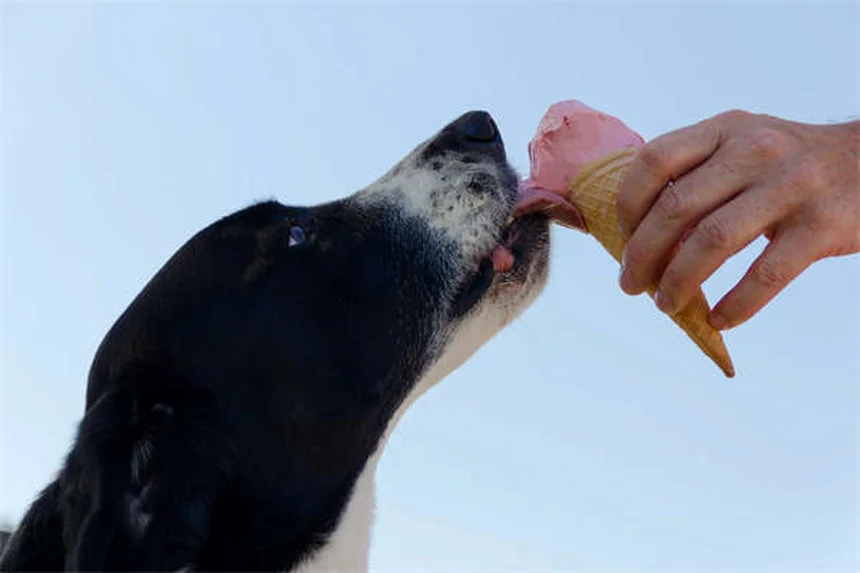
Ever notice how dogs constantly lick their cuts? There's some science behind this behavior. Dog saliva contains special proteins called histatins that fight infection, plus other helpful chemicals that protect wounds.
But here's the catch - while some studies show licked wounds heal faster, excessive licking can actually make things worse. The moisture and bacteria in saliva might slow healing or cause infections. That's why vets often recommend those funny cone collars - they're not just fashion statements!
| Wound Type | With Licking | Without Licking |
|---|---|---|
| Minor Scratches | Heals in 3-5 days | Heals in 5-7 days |
| Deep Cuts | Higher infection risk | Lower infection risk |
 Photos provided by pixabay
Bacteria Exchange: Are Dog Kisses Really Safe?
Here's a question that might make you think twice: Would you share a toothbrush with your dog? Probably not! While the risk is low, bacteria can transfer between dogs and humans through saliva. One study found tooth and gum bacteria moving between pets and their owners.
Most healthy people don't need to worry, but elderly folks or those with weak immune systems should be more cautious. Remember that 70-year-old woman who got seriously ill from her Italian Greyhound's kisses? That's rare, but it shows why we shouldn't treat dog saliva like magic healing potion!
The Dirty Truth About Dog Mouths
Dog vs Human: Whose Mouth is Cleaner?
Let's settle this debate once and for all. No, your dog's mouth isn't cleaner than yours. In fact, researchers have found over 600 different bacteria types in both human and canine mouths. Only about 16% of these microbes are shared between species.
Dogs carry bacteria like Porphyromonas gulae that cause gum disease, while humans have our own version called Porphyromonas gingivalis. So next time someone claims dogs have cleaner mouths, you can tell them science says otherwise!
Parasite Alert: What's Hiding in That Slobber?
Here's a gross but important fact: dog saliva can sometimes contain intestinal parasites. How? Well, after doing their business, dogs often... let's just say "clean up" back there. Then they lick their noses or give you kisses. You see where this is going?
The good news? Our immune systems usually handle these invaders. But young kids, elderly folks, or anyone with health issues should be extra careful. Common parasites include:
- Giardia (the "beaver fever" bug)
- Hookworms
- Roundworms
The Surprising Benefits of Dog Drool
 Photos provided by pixabay
Bacteria Exchange: Are Dog Kisses Really Safe?
Here's something to chew on: dog saliva is slightly alkaline (pH 7.5-8), while human saliva is more neutral (pH 6.5-7). This difference helps protect dogs' teeth from cavities. The alkaline nature neutralizes acid produced by bacteria that erode tooth enamel.
But don't get jealous - dogs still need dental care! Without brushing, plaque builds up and can lead to serious gum disease. That's why vets recommend starting dental care early, with puppies getting their first checkup at 8 weeks.
Digestion Differences: Why Dogs Don't Need to Chew
Did you know human saliva contains digestive enzymes that dogs lack? We have amylase to break down starches, but dogs' stomachs handle all the digestion work. Their saliva mainly helps move food down the throat - which explains why some pups seem to inhale their meals!
This makes you wonder: Why do dogs chew bones if they don't need to? Simple - it's fun and keeps their teeth clean! Chewing releases feel-good endorphins and scrapes away plaque. Just make sure to give them safe, vet-approved chew toys.
When Drool Becomes a Problem
Breed Differences: The Slobber Champions
Some dogs could fill buckets with their drool! Breeds with loose jowls and short muzzles tend to slobber more because their mouths can't contain all that saliva. The heavyweight drool champions include:
- Saint Bernards (the original slobber machines)
- Bloodhounds (those saggy lips aren't just for looks)
- Mastiffs (gentle giants with waterfall mouths)
- Bulldogs (their cute underbites come with a price)
 Photos provided by pixabay
Bacteria Exchange: Are Dog Kisses Really Safe?
While some drool is normal, sudden increases can signal problems. Excited dogs might drool when they smell your dinner, but excessive saliva could also mean:
- Dental pain (broken teeth hurt!)
- Nausea (like when they eat something gross)
- Mouth injuries (check for cuts or foreign objects)
- Heatstroke (especially in summer)
If your dog's drooling comes with other symptoms like bad breath, pawing at their mouth, or behavior changes, see your vet ASAP. Better safe than sorry when it comes to your furry friend's health!
Living With a Slobbery Best Friend
Managing the Mess: Drool-Proofing Your Home
For those of us with slobbery breeds, here are some life-saving tips:
- Keep "drool rags" handy in every room
- Invest in waterproof furniture covers
- Place mats under water bowls
- Carry bandanas (they're cute and functional!)
Remember - that slobber is a small price to pay for unconditional love. And let's be honest, those wet kisses are part of what makes our dogs so special (even if they're not as clean as we thought)!
The Final Lick: What We've Learned
Dog saliva is fascinating stuff - from its antibacterial properties to its allergy-causing proteins. While we shouldn't treat it like liquid gold, we also don't need to panic about every lick. The key is balance: enjoy those puppy kisses, but stay aware of potential risks, especially if you or family members have health concerns.
At the end of the day, our dogs' love is worth a little drool on the furniture. Just maybe keep some antibacterial wipes handy!
The Science Behind Dog Saliva's Unique Properties
Why Does Dog Saliva Have That Distinct Smell?
Ever notice how your dog's breath has that particular odor? It's not just from eating questionable things in the backyard. Dog saliva contains different enzymes and bacteria than human saliva, which creates that signature "dog breath" smell. The odor becomes stronger when plaque builds up or when dogs have dental issues.
Here's something interesting - researchers found that the smell actually helps dogs identify each other. When they lick their noses after greeting another dog, they're essentially "reading" chemical information about their new friend. So next time your pup gives you a big sniff after licking your hand, they're just trying to learn more about you!
The Healing Power of Dog Licks: More Than Just an Old Wives' Tale
You've probably heard stories about dogs licking wounds to help them heal. While we shouldn't rely on this as medical treatment, there's actually some fascinating science behind it. Dog saliva contains nerve growth factor (NGF), a protein that plays a crucial role in wound healing. Studies show wounds treated with NGF heal about twice as fast!
But before you let Fido go to town on your next paper cut, consider this - while NGF helps, your dog's mouth also contains bacteria that might not play nice with your immune system. It's like having a superhero who sometimes forgets to wash their hands before saving the day. The best approach? Appreciate your dog's natural instincts, but stick to antibiotic ointment for serious cuts.
Dog Saliva in Medical Research
Cancer Detection: Can Dogs Really Sniff Out Illness?
Here's something that will blow your mind - scientists are studying whether dog saliva can help detect cancer! Researchers have found that certain cancers change the chemical composition of human saliva, and dogs with their incredible sense of smell might be able to identify these changes.
In one study, trained dogs correctly identified lung cancer patients from saliva samples with 99% accuracy. That's better than some lab tests! While we're not at the point where your pup can replace your annual physical, this research could lead to new, non-invasive screening methods. Imagine a future where cancer detection is as simple as getting a lick from a specially trained medical dog!
Therapy Dogs and Human Health: More Than Just Comfort
Did you know that interacting with therapy dogs can actually change your saliva chemistry? When people spend time petting dogs, their bodies produce more oxytocin (the "love hormone") and less cortisol (the stress hormone). Researchers can measure these changes in saliva samples!
This explains why hospital patients who receive therapy dog visits often report less pain and faster recovery times. It's not just the warm fuzzies - there's real biochemistry happening. Next time you're feeling stressed, try giving your dog some belly rubs and see if you don't feel better almost instantly!
The Cultural Significance of Dog Saliva
Historical Uses: From Medicine to Magic
Throughout history, people have believed in the special properties of dog saliva. Ancient Egyptians thought it could cure baldness (sorry, no scientific evidence for that one!). In medieval Europe, people applied dog saliva to warts, believing it would make them disappear.
Some Native American tribes used dog saliva in healing rituals, while certain Asian cultures considered it bad luck to wash off a dog's lick. These beliefs show how humans have long recognized there's something unique about dog saliva, even if they didn't understand the science behind it.
Modern Taboos: Why Some Cultures Avoid Dog Contact
While many Western cultures see dogs as beloved family members, some societies view dog saliva as unclean. In parts of the Middle East and Asia, religious teachings consider dogs ritually impure, partly because of their saliva.
This makes you wonder: How much of these beliefs are based on actual health concerns versus cultural traditions? The answer is complicated. While dog saliva does carry some bacteria, with proper hygiene, the health risks are minimal for most people. These differences remind us that our relationships with animals are deeply tied to our cultural backgrounds.
Fun Facts About Dog Saliva
Record Holders: The Most Extreme Droolers
Think your dog drools a lot? Meet the world record holders! A Saint Bernard named Mochi holds the unofficial record for longest drool strand - an impressive 17 inches! Meanwhile, a Mastiff named Samson once filled an entire measuring cup with drool in just 30 minutes.
For those living with heavy droolers, here's a pro tip: keep a "drool diary" to track what triggers excessive slobber. You might notice patterns like:
- Excitement before meals (the "dinner dance" effect)
- Car rides (motion sickness or anticipation)
- Seeing other dogs (social excitement)
Saliva in Dog Communication: More Than Just Wet Kisses
Dogs use saliva as part of their complex communication system. When a dog licks another dog's mouth (called "muzzle licking"), it's often a sign of submission or a request for food. Puppies do this to stimulate adult dogs to regurgitate food for them!
When your dog licks your face, they might be showing affection, but they could also be checking what you ate recently or responding to salty sweat on your skin. It's their version of saying, "Hey, what's up?" and "What's for dinner?" all in one slobbery gesture!
Practical Tips for Dog Owners
Keeping Your Dog's Mouth Healthy
A healthy mouth means healthier saliva! Here's how to maintain your dog's oral hygiene:
- Brush their teeth regularly with dog-safe toothpaste
- Provide dental chews approved by veterinary organizations
- Schedule annual dental checkups
- Watch for signs of dental disease (bad breath, difficulty eating)
Remember, your dog's dental health affects their whole body. Bacteria from gum disease can enter the bloodstream and cause problems in the heart, liver, and kidneys. A few minutes of tooth brushing each week can add years to your dog's life!
When to Say No to Licks
While dog kisses are usually harmless, there are times when you should set boundaries:
- After your dog has eaten something questionable
- If you have open wounds or compromised immunity
- Around very young children who might put hands in their mouths
- When your dog shows possessive behavior around food
Training your dog to respect these boundaries keeps everyone safe and happy. Try redirecting licking behavior to toys or teaching the "kiss command" so licks happen only when invited. After all, consent is important in all relationships - even with our furry friends!
E.g. :Dog Saliva: 9 Facts You Should Know | PetMD
FAQs
Q: Is it true that dog saliva can heal human wounds?
A: Here's the real scoop - while dog saliva does contain some antibacterial compounds like histatins, it's not recommended for wound healing. We've all heard the old wives' tale that a dog's lick can help cuts heal faster, but modern veterinary science tells a different story. The moisture from constant licking can actually delay healing and introduce harmful bacteria. I always tell my clients that if you wouldn't rub dirt in a wound, you shouldn't let your dog lick it either. For minor scrapes, clean with mild soap and water instead of relying on Fido's tongue!
Q: Can you really get sick from dog kisses?
A: Let's be honest here - while the risk is relatively low for healthy adults, dog saliva can transmit certain bacteria and parasites to humans. I've seen cases where people developed infections from Capnocytophaga bacteria present in dog saliva. The truth is, your dog's mouth comes into contact with all sorts of gross stuff - from their own rear ends to questionable things they find outside. If you or a family member has a compromised immune system, it's especially important to set boundaries about face-licking.
Q: Why do some dogs drool more than others?
A: As a long-time dog owner and researcher, I can tell you that breed plays a huge role in drool production. Those adorable loose jowls on breeds like Bloodhounds and Saint Bernards aren't just for looks - they're basically saliva reservoirs! The shape of a dog's mouth and lips determines how well they can contain their spit. But here's something many people don't realize - sudden excessive drooling can signal health issues. If your normally dry-mouthed pup starts dripping like a faucet, it's time for a vet visit.
Q: Are dogs mouths really cleaner than humans?
A: This is one myth I love debunking! No, your dog's mouth isn't cleaner than yours. Scientific studies have shown that while the types of bacteria differ, both species harbor hundreds of bacterial strains. In fact, dogs carry Porphyromonas gulae, which causes periodontal disease in canines just like its human counterpart causes gum disease in us. The next time someone claims their pup's mouth is sterile, you can confidently tell them the science says otherwise!
Q: Can people be allergic to dog saliva?
A: Absolutely! Many people assume dog allergies come from fur, but saliva proteins are actually common culprits. When dogs lick themselves, those allergy-triggering proteins dry on their fur and become airborne. What's really fascinating is that different dogs produce different protein profiles - which explains why you might react to one golden retriever but not another. If you suspect saliva allergies, I recommend consulting an allergist for testing rather than avoiding all dogs completely.