
Wondering if carprofen (Rimadyl) is right for your dog? The answer is: Yes, when prescribed by your vet, carprofen can be a game-changer for managing your dog's pain and inflammation! As a dog owner myself, I know how heartbreaking it is to see our furry friends in discomfort. That's why we're breaking down everything you need to know about this popular NSAID medication.
Carprofen works by targeting inflammation at its source while minimizing impact on your dog's digestive system and kidneys - unlike some other pain meds. Whether your pup has osteoarthritis or needs post-surgery care, this medication can help them get back to their happy, active selves. But (and this is important) it must be used exactly as your veterinarian directs to ensure safety and effectiveness.
In this guide, we'll cover dosing tips, what to do if you miss a dose, crucial side effects to watch for, and answer all those burning questions like How long until it works? and Is it safe long-term? Let's get your four-legged friend the relief they deserve!
E.g. :Why Won't My Dog Stop Barking? 5 Common Reasons Explained
- 1、Understanding Carprofen (Rimadyl) for Your Dog
- 2、Giving Carprofen to Your Pup
- 3、Potential Side Effects to Watch For
- 4、Special Considerations
- 5、Storage and Safety Tips
- 6、Frequently Asked Questions
- 7、Beyond the Basics: Exploring Carprofen's Impact
- 8、The Financial Side of Pain Management
- 9、Real-Life Success Stories
- 10、When Carprofen Isn't the Answer
- 11、Your Role in Successful Treatment
- 12、Looking to the Future
- 13、FAQs
Understanding Carprofen (Rimadyl) for Your Dog
What Exactly Is Carprofen?
Let me break it down for you - carprofen is like your dog's personal pain relief superhero. Vets often prescribe this NSAID (that's short for non-steroidal anti-inflammatory drug) to help with:
- Osteoarthritis pain
- Post-surgery recovery
- Other inflammation issues
You might know it by its popular brand name Rimadyl, but it's also sold as Carprieve, Novox, and several other names. Think of it like how we have different brands of ibuprofen - same basic medicine, different packaging.
How Does This Miracle Worker Actually Function?
Here's where it gets interesting. Carprofen works by blocking those pesky inflammation-causing chemicals in your dog's body. But here's the cool part - it's super selective about which chemicals it blocks.
Why does this matter? Well, some inflammation fighters are like bull in a china shop - they mess with everything. But carprofen? It's more like a precision surgeon, targeting only the bad stuff while leaving the good bodily functions alone.
| Feature | Carprofen | Other NSAIDs |
|---|---|---|
| Targets inflammation | Yes | Yes |
| Affects digestion | Minimal | Often |
| Kidney impact | Low | Higher |
Giving Carprofen to Your Pup
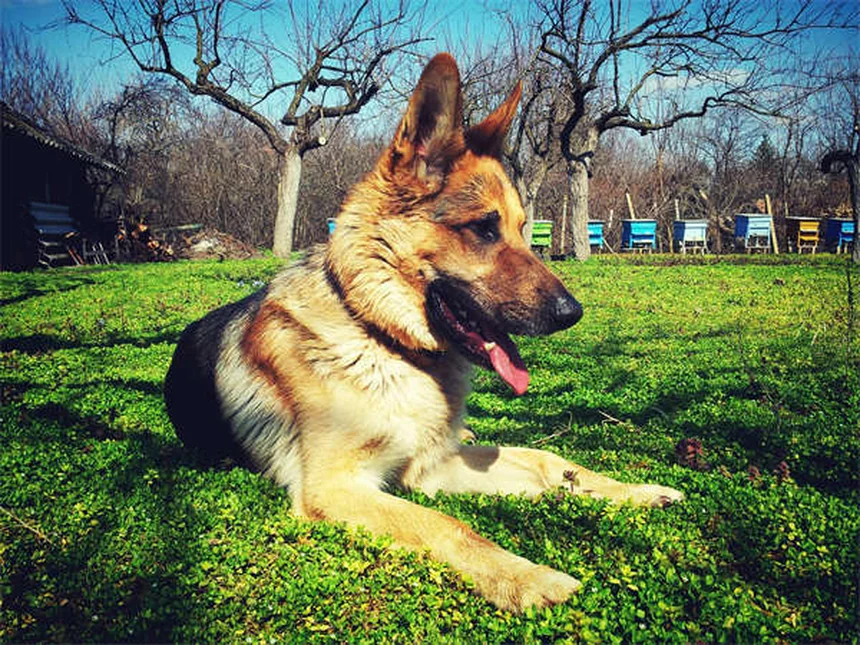 Photos provided by pixabay
Dosage and Administration Tips
Your vet will give you the exact dosage based on Fido's weight and condition. But here's a pro tip - most dogs actually like the taste of Rimadyl chewables. It's like giving them a treat!
If your pup turns up their nose at it (hey, even dogs can be picky), try hiding it in a small bit of peanut butter or their favorite wet food. Just make sure they actually eat it - some sneaky dogs will eat around the pill!
What If You Forget a Dose?
We've all been there - life gets busy and suddenly you can't remember if you gave Fluffy her medicine. Here's what to do:
If it's close to the next dose time? Skip it. Never double up - that's asking for trouble. When in doubt, call your vet. They've heard it all before and won't judge you!
Potential Side Effects to Watch For
Common Reactions
While most dogs handle carprofen like champs, some might experience:
- Upset tummy (vomiting or diarrhea)
- Less interest in food
- Extra thirst or more bathroom breaks
These usually aren't serious, but definitely worth mentioning to your vet. After all, you know your dog better than anyone - if something seems off, trust that gut feeling!
 Photos provided by pixabay
Dosage and Administration Tips
Now let's talk about the red flags that need immediate vet attention:
Dark, tarry stools? Not good. Yellow gums or skin? Big problem. Seizures or major behavior changes? Get to the vet now.
Here's a reassuring thought though - most dogs bounce back quickly if you catch issues early and stop the medication. That's why monitoring is so important!
Special Considerations
Compounded Versions
Ever heard of compounded medications? Sometimes regular pills don't cut it. Maybe your dog needs:
- A different form (like liquid instead of pills)
- A very specific dosage
- An ingredient-free version due to allergies
Compounding pharmacies can whip up custom solutions. Just remember - these aren't FDA-approved, so only use them if your vet gives the thumbs up.
Human Safety First
This might seem obvious, but it's worth repeating - carprofen is for dogs only. No sharing meds between species!
Accidentally took your dog's Rimadyl? Don't panic, but do call Poison Control at 800-222-1222. Better safe than sorry!
Storage and Safety Tips
 Photos provided by pixabay
Dosage and Administration Tips
Here's something funny - Rimadyl chewables are designed to taste good. That means your dog might think they're treats! Store them:
- At room temperature (59-86°F)
- In their original container
- Somewhere Fido can't reach
And of course, keep them away from kids too. Medicine cabinet with a child lock is your best bet.
Frequently Asked Questions
How Fast Does It Work?
You might see improvement in as little as 1-3 hours, but full effects can take a few days. Chronic conditions like arthritis need consistent treatment - it's not a one-and-done deal.
Is Rimadyl Safe Long-Term?
Most dogs do great on it long-term with proper monitoring. Your vet will likely recommend regular blood tests to check liver and kidney function - think of it like your dog's annual physical, just more frequent.
Carprofen vs. Ibuprofen
Big difference here! Ibuprofen is dangerous for dogs - even small amounts can cause serious problems. Always use vet-prescribed meds only.
Will It Make My Dog Sleepy?
Nope! Unlike some pain meds, carprofen won't sedate your pup. They might rest more comfortably though - imagine finally getting relief from that aching joint!
Remember, every dog is different. What works for the neighbor's Labrador might not be right for your Chihuahua. That's why having an open dialogue with your vet is so important.
Beyond the Basics: Exploring Carprofen's Impact
The Science Behind the Relief
Ever wonder why carprofen works so well for dogs but isn't used for humans? It's all about species-specific biochemistry. Dogs process this medication differently than we do, which is why it's formulated specifically for our four-legged friends.
Here's something fascinating - carprofen targets COX-2 enzymes more than COX-1. What does that mean for your dog? Less stomach upset compared to some other pain meds. It's like having a bouncer that only lets the troublemakers out of the club!
Alternative Therapies to Consider
While carprofen is fantastic, it's not the only option out there. Have you thought about combining it with other approaches? Here are some worth discussing with your vet:
- Physical therapy - underwater treadmills work wonders for arthritic dogs
- Acupuncture - yes, really! Many dogs respond surprisingly well
- Weight management - every extra pound puts more stress on joints
I've seen dogs who went from barely walking to playing fetch again with the right combination of treatments. It's like putting together a personalized wellness puzzle!
The Financial Side of Pain Management
Cost Comparison Over Time
Let's talk dollars and cents - because let's face it, pet care adds up! Here's how carprofen stacks up against other options:
| Treatment | Monthly Cost | Effectiveness |
|---|---|---|
| Carprofen | $30-$60 | High |
| Laser Therapy | $200-$400 | Moderate-High |
| Surgery | $2,000-$5,000 | Permanent Solution |
See what I mean? For many dogs, carprofen offers the best bang for your buck. But remember - the cheapest option isn't always the best for your specific situation.
Insurance and Discount Options
Did you know most pet insurance plans cover prescription meds like carprofen? Here's a pro tip - check if your policy has a wellness rider that might help with costs.
Many vets also offer loyalty programs or discounts for long-term medications. Don't be shy about asking - the worst they can say is no, right?
Real-Life Success Stories
From Limping to Leaping
I'll never forget Max, a 12-year-old Golden Retriever who could barely get up from his bed. After starting carprofen and some gentle exercise, his owner sent me a video of him chasing squirrels again within three weeks!
What really made the difference? His owner stayed consistent with the medication and followed up with the vet regularly. It's proof that sticking with the plan pays off.
The Senior Dog Renaissance
Then there's Bella, a tiny Dachshund who'd given up on her favorite activity - burrowing under blankets. After her vet adjusted her carprofen dosage, she's back to tunneling like a pro!
These stories remind me why proper pain management matters so much. It's not just about comfort - it's about helping dogs stay themselves as they age.
When Carprofen Isn't the Answer
Recognizing Treatment-Resistant Cases
Here's the hard truth - sometimes carprofen alone isn't enough. How can you tell if your dog needs more help? Look for these signs:
- No improvement after 7-10 days of consistent use
- New symptoms developing while on the medication
- Blood work showing concerning changes
But here's the good news - when carprofen doesn't cut it, vets have other tools in their toolbox. It's not the end of the road!
Exploring Advanced Options
For dogs who need extra help, there are some pretty cool alternatives out there. Have you heard of monoclonal antibody therapy? It's like sending in special forces to target pain at the molecular level!
Or what about joint supplements with omega-3s? They work differently than carprofen but can be great teammates in the fight against discomfort. Think of them as the supporting cast to the main star.
Your Role in Successful Treatment
Becoming a Medication Detective
Want to know the secret to making carprofen work its best? It's all about being observant. Keep a little journal tracking:
- When you give each dose
- Any side effects you notice
- Changes in activity level
This isn't just busywork - it helps your vet spot patterns and adjust treatment faster. Plus, you'll feel more in control of the process!
The Power of Routine
Dogs thrive on consistency, and medication is no exception. Try pairing carprofen doses with something your dog already loves - maybe morning belly rubs or evening walks.
Before you know it, it'll become second nature. And that's when you'll really start seeing the benefits pile up!
Looking to the Future
Emerging Research in Canine Pain Relief
The science of pain management is always evolving. Right now, researchers are studying everything from CBD oil to stem cell therapy for dogs.
What does this mean for you? More options coming down the pipeline! The future looks bright for keeping our furry friends comfortable in their golden years.
Preventative Approaches
Here's something exciting - we're learning more about how early intervention can slow joint deterioration. Starting carprofen at the first signs of stiffness might help preserve mobility longer.
Isn't that amazing? It's like giving your dog's joints a protective shield before problems get serious. Now that's what I call proactive pet parenting!
E.g. :Carprofen for Dogs: Osteoarthritis and Pain Management
FAQs
Q: How long does carprofen take to work in dogs?
A: Here's what you can expect: carprofen starts working within 1-3 hours after administration, but the full effects might take a few days to become noticeable. We've seen many cases where dog owners get worried because they don't see immediate improvement - but patience is key! For chronic conditions like arthritis, it often takes consistent use over several days before you'll see your pup moving more comfortably. Remember, this isn't a "quick fix" medication but rather part of an ongoing treatment plan. Your vet will guide you on how long to continue treatment based on your dog's specific needs.
Q: Can I give my dog human ibuprofen instead of carprofen?
A: Absolutely not! This is one of the most dangerous misconceptions we encounter. While both are NSAIDs, ibuprofen can be toxic to dogs even in small doses. Here's why: dogs metabolize medications differently than humans, and ibuprofen can cause severe stomach ulcers, kidney failure, and even be fatal. We've seen too many emergency cases where well-meaning owners gave their dogs human pain meds. Always use only vet-prescribed medications - your dog's safety depends on it! If cost is a concern, talk to your vet about affordable options.
Q: What should I do if I accidentally give my dog too much carprofen?
A: First, don't panic - but act quickly. If you suspect an overdose, immediately call your veterinarian or one of these 24/7 pet poison hotlines: Pet Poison Helpline (855-764-7661) or ASPCA Animal Poison Control (888-426-4435). Time is critical! While waiting for professional advice, have this information ready: your dog's weight, how much medication was ingested, and when it happened. We recommend keeping these numbers saved in your phone - better safe than sorry. Most dogs recover completely with prompt treatment, but delaying care can lead to serious complications.
Q: My dog seems more tired on carprofen - is this normal?
A: Interesting question! Carprofen itself doesn't cause drowsiness like some other pain medications might. What you're likely seeing is your dog finally getting comfortable enough to rest properly. Think about it - if you had constant joint pain, you'd probably sleep poorly too! However, if the lethargy is extreme or accompanied by other symptoms like vomiting or loss of appetite, contact your vet immediately. We always tell clients to trust their instincts - you know your dog best. When in doubt, it's better to err on the side of caution and check with your veterinarian.
Q: How should I store carprofen to keep it effective and safe?
A: Great question about medication safety! Store carprofen at room temperature (between 59-86°F) in its original container. Here's a pro tip we give all our clients: keep it somewhere your dog can't access - the chewable tablets are designed to taste good, and curious pups might try to help themselves to a "treat." We've seen cases where dogs got into medication bottles left on counters. Also, keep it away from humidity (not in the bathroom) and out of direct sunlight. If you have young children at home, consider a locked medicine cabinet. Proper storage helps maintain the medication's effectiveness and prevents accidental ingestion.