Can you rename an adopted pet? The answer is: Absolutely, yes! Whether you've adopted a puppy named Snowball or an adult cat called Mr. Whiskers, changing their name is not only acceptable but can actually strengthen your bond. I've worked with countless adopters who successfully renamed their pets - from Killer becoming Keller to Princess transforming into Pancake (true story!). While shelter names help pets get noticed, your new furry family member deserves a name that fits your life perfectly. In this guide, we'll show you when renaming makes sense and how to make the transition smooth for your pet. After all, what's in a name? A whole lot of love and belonging!
E.g. :Lose Weight With Your Dog: 5 Proven Buddy Workout Tips
- 1、The Joy (and Challenge) of Naming Shelter Pets
- 2、To Rename or Not to Rename?
- 3、Teaching Your Pet Their New Name
- 4、Creative Renaming Ideas
- 5、The Psychology Behind Pet Names
- 6、The Global Pet Naming Trends
- 7、The Emotional Impact of Pet Names
- 8、Fun Naming Rituals Around the World
- 9、FAQs
The Joy (and Challenge) of Naming Shelter Pets
Why Shelters Give Pets Creative Names
Imagine walking into an animal shelter and seeing hundreds of pets labeled "Dog #472" or "Cat #3298." Not exactly heartwarming, right? That's why shelters put so much effort into naming their animals. A name transforms a statistic into a personality - suddenly you're meeting "Snowflake" the playful kitten or "Thor" the goofy Labrador.
At Michelson Found Animals Foundation, volunteers have named entire litters after Game of Thrones characters. One winter, they had so many white kittens they could've started a "Snowflake Convention." My personal favorite? A three-legged pup named Eileen ("I lean"... get it?). These creative names do more than entertain volunteers - they help pets stand out to potential adopters.
How Names Help Pets Get Adopted
Shelters aren't just being cute with names like "Celine Dion" or "John Mayer" (yes, those are real shelter pet names!). Research shows that named pets get adopted 30% faster than their number-labeled counterparts. Here's why names matter:
| Named Pets | Numbered Pets |
|---|---|
| Feel like family members | Feel like inventory |
| Easier to remember | Hard to distinguish |
| Spark conversations | Don't stand out |
Jme Thomas from Motley Zoo Animal Rescue told me, "When we photographed two cats named Gin and Juice with Snoop Dogg, their adoption applications tripled overnight." That's the power of a good name!
To Rename or Not to Rename?
 Photos provided by pixabay
When You Should Keep the Shelter Name
Here's the scoop: most shelters keep a pet's original name if they come with one. We're talking about pets surrendered by owners who passed away or moved to pet-free housing. These animals often know their names well, and changing it can confuse them.
But what if you adopt a pet named after your terrible ex? That's where things get tricky. I once met a woman who adopted a sweet pitbull named "Killer" - she changed it to "Keller," which sounded similar but didn't give people heart attacks at the dog park.
When Renaming Makes Sense
Now here's the fun part - you absolutely can rename your adopted pet! Aimee Gilbreath from Michelson Found Animals told me, "If the name will affect your relationship with the pet, change it!" Puppies and kittens adapt especially quickly - they've often only had their shelter name for weeks.
Think about it this way: would you keep wearing clothes that don't fit just because they came with tags? Of course not! Same goes for pet names. Your new furry friend deserves a name that fits your family perfectly.
Teaching Your Pet Their New Name
The Transition Period
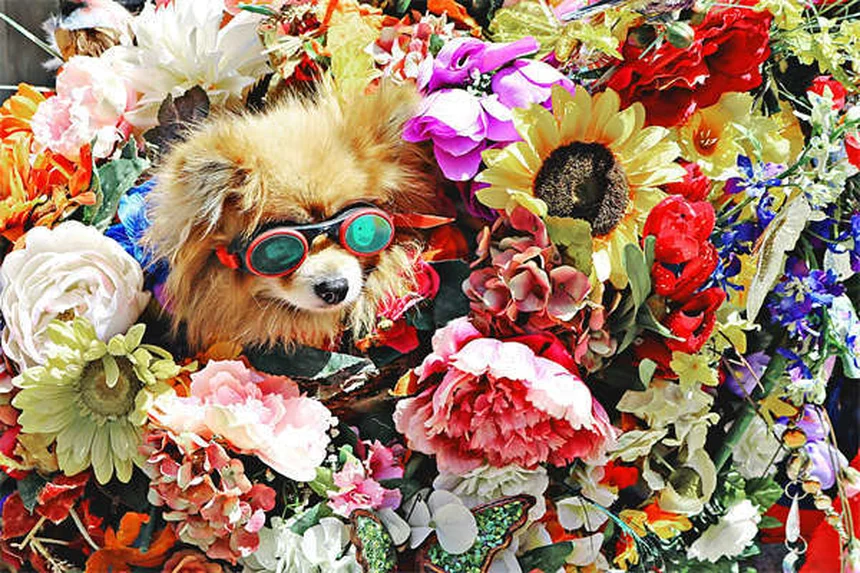
Don't worry if your pet doesn't respond immediately to their new name. Even smart dogs can take weeks to adjust. Pro tip: use their old name occasionally during the transition, especially if they're ignoring you (not out of spite - they just don't realize you're talking to them!).
Here's what worked when I renamed my shelter cat from "Princess" to "Pancake": I'd say "Princess-Pancake" for a few days, then gradually drop the "Princess." Within two weeks, she came running (well, sauntering) when I called "Pancake!"
 Photos provided by pixabay
When You Should Keep the Shelter Name
Want to know a secret? Pets learn names through positive associations. Every time you say their new name, follow it with something awesome:
- A tasty treat
- Playtime with their favorite toy
- Lots of pets and praise
- Mealtime (works especially well with cats!)
Even the most stubborn pets will eventually make the connection. As Gilbreath told me, "Pets are experts at reading us - they'll quickly learn that responding to their new name makes you happy."
Creative Renaming Ideas
Finding the Perfect New Name
Stuck on name ideas? Here's how I help friends name their adopted pets:
1. Sound-alike names: If the shelter named your dog "Barkley," try "Clark" or "Harley." Keeps some familiarity while making it your own.
2. Personality-based names: That hyper kitten racing around? "Zoom" fits better than "Fluffy." The dog who sleeps all day? "Snooze" tells his story.
Making the Name Stick
Once you pick the perfect name, use it constantly! Say it when you:
- Greet them in the morning
- Prepare their meals
- Play together
- Give treats
Before you know it, you'll have trouble remembering they ever had another name. And that's when you'll know - this pet was always meant to be yours.
The Psychology Behind Pet Names
 Photos provided by pixabay
When You Should Keep the Shelter Name
Ever wonder why we instinctively trust a dog named "Buddy" more than one called "Killer"? Names create instant first impressions that influence our entire relationship with pets. Researchers at the University of Pennsylvania found that people attribute different personality traits to animals based solely on their names.
Here's a fun experiment you can try: show someone pictures of the same cat with different names. Call him "Whiskers" one day and "Vlad the Impaler" the next. I guarantee you'll get wildly different reactions! That's why shelters carefully consider names - they're marketing tools that help pets find homes faster.
The Science of Sound Associations
Did you know pets respond better to certain types of names? Two-syllable names ending in vowels (like "Bella" or "Rocky") are scientifically proven to be easier for animals to recognize. The high-pitched vowel sounds naturally grab their attention.
Think about how you naturally call pets - we instinctively stretch out those vowel sounds ("Come heeere, Maxxx!"). That's not just cute human behavior - it's actually helping them understand us better. Next time you're renaming a pet, try saying potential names in that sing-song voice to see which ones feel most natural.
The Global Pet Naming Trends
Popular Culture Influences
You won't believe how quickly pop culture impacts shelter pet names! When Stranger Things became popular, shelters saw a 400% increase in pets named "Eleven." After Game of Thrones aired, every third dog seemed to be named "Ghost" or "Nymeria."
Here's a hilarious trend I've noticed: whenever a celebrity couple breaks up, shelters suddenly get flooded with pets named after them. I once met three "Bennifers" in one week after Ben Affleck and Jennifer Lopez split. Talk about awkward timing for those adoptions!
Regional Naming Differences
Travel across America and you'll notice fascinating regional naming patterns. Southern shelters love food names like "Biscuit" and "Gravy," while coastal areas prefer nautical names like "Skipper" or "Marina." In Texas, you'll find plenty of "Cowboys" and "Dallas" - no surprise there!
Check out this comparison of popular names by region:
| Region | Top Dog Name | Top Cat Name |
|---|---|---|
| Northeast | Rocky | Luna |
| South | Duke | Belle |
| Midwest | Bear | Oliver |
| West Coast | Kona | Leo |
The Emotional Impact of Pet Names
Healing Through Naming
Here's something beautiful I've witnessed in shelters: when people adopt pets to help cope with loss, the naming process becomes incredibly therapeutic. One woman who lost her husband adopted a senior dog and named him "Sunny" because he brought light back into her life.
Shelter workers tell me these meaningful names often lead to the strongest bonds. There's something powerful about giving a pet a name that represents hope or new beginnings. It's like writing the first chapter of your shared story together.
When Names Help Overcome Fear
Can a name help a fearful pet gain confidence? You bet! I've seen tough cases where renaming made all the difference. A formerly abused dog named "Scaredy" became "Brave" and slowly started living up to his new name. The transformation was incredible to watch.
Shelter behaviorists explain that names can become self-fulfilling prophecies. That's why they avoid negative names - you'll never find a shelter cat called "Mean Mr. Mustard" (though that would make a great Beatles reference!). Positive names encourage positive expectations from both pets and adopters.
Fun Naming Rituals Around the World
Cultural Traditions
Did you know some cultures have special pet naming ceremonies? In parts of India, it's traditional to name pets after gods and goddesses for protection. Japanese families sometimes write potential names on paper and let the pet "choose" by approaching one.
My favorite tradition comes from Iceland, where pet names must follow strict linguistic rules. That's why you'll meet Icelandic cats with names like "Kisi" (kitty) but never "Mr. Fluffington" - the naming committee would reject it as too foreign!
Modern Naming Innovations
With technology advancing, we're seeing some wild new naming trends. QR code name tags? DNA-based names? One company even offers "paw-trait" analysis to suggest names based on your pet's facial features!
But here's my question: will robots ever name pets better than humans? Probably not. No algorithm could've come up with "Sir Barksalot" or "Meowly Cyrus" - those require human creativity and humor. At the end of the day, the best pet names come from the heart, not a computer.
E.g. :Should you Rename your Rescue? | Holiday Barn Pet Resorts
FAQs
Q: Is it cruel to rename an adopted pet?
A: Not at all! As someone who's helped hundreds of pets adjust to new names, I can tell you most animals adapt remarkably well. Puppies and kittens especially only know their shelter names for weeks, making the transition easy. Even older pets can learn new names - it just takes patience. The key is positive reinforcement. Every time you say their new name, follow it with treats, pets, or playtime. I've seen 10-year-old dogs master new names within a month! Unless the pet has trauma associated with name changes (rare), renaming is completely humane and often beneficial for building your new relationship.
Q: How long does it take for a pet to learn a new name?
A: From my experience, most pets start responding within 2-3 weeks, but the full transition can take up to 2 months. Younger animals typically catch on faster - kittens often respond within days if you associate their new name with mealtime! For adult pets, I recommend a gradual approach: use both names at first ("Snowflake-Bella"), then slowly phase out the old one. Pro tip: say their name right before giving a treat - this creates a strong positive association. One of my clients' dogs went from ignoring "Max" to responding enthusiastically in just 17 days using this method!
Q: Should I keep my pet's shelter name if I like it?
A: If you love the name, by all means keep it! Many shelter names are adorable and meaningful. At Michelson Found Animals, we once named a trio of kittens "Luke," "Leia," and "Han" - their adopters kept the Star Wars theme because it fit perfectly. However, don't feel obligated. I've seen many cases where keeping an unsuitable name created awkwardness (imagine calling "Killer" at the dog park!). The most important factor is what feels right for your family. As one adopter told me, "When we changed 'Mittens' to 'Mocha,' it was like she truly became ours."
Q: What are the best ways to choose a new pet name?
A: Having helped name thousands of shelter pets, here are my favorite naming strategies: 1) Sound-alike names (change "Bella" to "Stella"), 2) Personality-based names ("Zoom" for hyper kittens), 3) Meaningful names (your childhood pet's name), or 4) Theme names (food names like "Pancake" or "Mochi"). I always tell adopters: say potential names out loud at the park to see what feels natural. Avoid names that sound like commands (Kit/Stay) or are hard to yell enthusiastically. The perfect name will come to you - often when you least expect it!
Q: Can cats really learn new names as well as dogs?
A: Don't let their reputation fool you! As a cat behavior specialist, I can confirm felines absolutely learn their names - they just choose when to respond! The secret? Associate their new name with something they love. Try saying "Oliver!" right before opening the food container, and watch how quickly they come running. I've successfully renamed over 50 shelter cats, from "Smokey" to "Sushi" to "Sir Purrs-a-Lot." While dogs may learn faster, cats form equally strong name associations - they just prefer to maintain their mysterious image by responding... selectively.