Do dogs know their name? The answer is: Absolutely yes! Your furry friend understands their name better than you might think. Research shows most dogs can learn their name within just one week, and they process it using both sides of their brain just like humans do. I've seen this firsthand with my own dog - when I say Max, his ears perk up and he comes running, no matter what he's doing. But here's something even cooler: your pup probably recognizes their nickname too! Scientists found that dogs respond to similar-sounding words almost identically to their actual name. So whether you call them Fluffy or Fluffball, they know you're talking to them. Let me show you how this amazing canine skill works and how you can use it to strengthen your bond with your four-legged best friend.
E.g. :Do Dogs Have Best Friends? 5 Signs Your Pup Has a BFF
- 1、How Well Do Dogs Really Understand Us?
- 2、What About Nicknames? Do They Get Those Too?
- 3、How Can You Tell If Your Dog Knows Their Name?
- 4、Teaching Your Dog Their Name: A Step-by-Step Guide
- 5、Choosing the Perfect Name: What Works Best?
- 6、Common Mistakes (And How to Avoid Them)
- 7、Fun Facts About Dogs and Names
- 8、Your Dog's Name Journey
- 9、The Emotional Connection Behind Name Recognition
- 10、The Surprising Ways Dogs Use Names
- 11、Name Training Across Different Life Stages
- 12、The Cultural Aspect of Dog Naming
- 13、Name Recognition in Working Dogs
- 14、Technology and Name Recognition
- 15、FAQs
How Well Do Dogs Really Understand Us?
Their Vocabulary Might Surprise You
Let me tell you something fascinating - your furry friend is way smarter than you probably give them credit for! The American Psychological Association found that dogs can understand over 150 words on average. That's about the same as a 2-year-old human child!
Now get this - the real brainiacs of the dog world, what researchers call "super dogs," can learn up to 250 words. That's enough vocabulary to understand most of what you say during your daily conversations with them. Imagine your dog basically understanding English at a second-grade level!
Names Are Just the Beginning
Here's something even more impressive. Studies show dogs can learn new words - including their name - in just one week. That's faster than most humans learn a new language!
But wait, there's more. Dogs don't just understand words - they read our body language and tone too. It's like they have this built-in translator that combines all these signals to figure out exactly what we mean.
What About Nicknames? Do They Get Those Too?
 Photos provided by pixabay
The Science Behind Nickname Recognition
Ever called your dog "Fluffball" instead of "Fluffy" and wondered if they know it's still them? A 2020 study gave us some cool answers.
Researchers tested how dogs respond to three types of words:
| Word Type | Example | Dog's Response |
|---|---|---|
| Known Commands | "sit", "stay" | Immediate reaction |
| Similar-sounding nonsense | "sid" instead of "sit" | Reacted like it was the real command |
| Completely different nonsense | "blark" | Processed it as new information |
What does this mean for nicknames? Well, if your nickname sounds similar to their real name, your dog probably thinks it's the same thing. But if it's completely different? They might need some time to learn it.
How Their Brains Process What We Say
Here's the really cool part - dogs use both sides of their brain to understand us, just like humans do. That's why they're so good at picking up on subtle changes in our voice and body language.
So yes, your dog absolutely can learn their nickname. In fact, they're probably better at understanding your various pet names for them than you realize!
How Can You Tell If Your Dog Knows Their Name?
The Obvious Signs
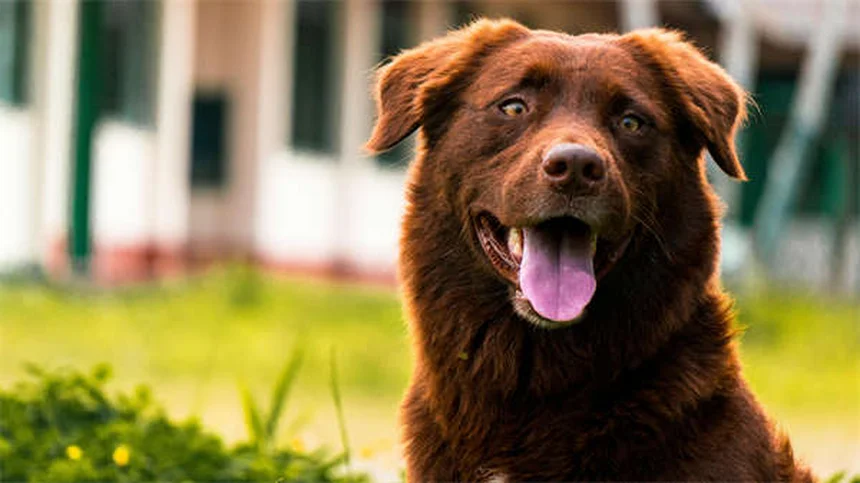
You know that heartwarming moment when you call your dog from across the park and they come running? That's not just them recognizing your voice - that's proof they know their name!
Even in the same room, watch what happens when you say their name. Their head pops up, ears perk forward, and those puppy eyes lock onto you. That's name recognition in action.
 Photos provided by pixabay
The Science Behind Nickname Recognition
But it's not just about coming when called. Dogs show they know their name in all sorts of ways:
- Tail wagging specifically when you say their name
- Barking or making excited noises
- Running to get a toy because they know playtime is coming
- That adorable head tilt that makes you melt every time
Ever notice how your dog reacts differently when you say their name versus other words? That's because they've learned that this particular sound means "Pay attention - this is about you!"
Teaching Your Dog Their Name: A Step-by-Step Guide
Making It Rewarding (For Both of You!)
Let's be honest - would you learn something new if there wasn't something in it for you? Dogs aren't much different! Positive reinforcement is the golden ticket here.
Start with their favorite treats. I'm talking the good stuff - small pieces of chicken, cheese, or special dog treats. When they look at you after hearing their name, immediately say "Yes!" and give them the treat. This creates a positive association.
Pro tip: Try different tones of voice. Some dogs respond better to high-pitched, happy voices while others prefer calm, low tones. You'll know you've found the right tone when their ears perk up every time.
Beyond Treats: Other Effective Methods
Now, what if your dog is watching their waistline? Or maybe they're just not that food-motivated? No problem!
Try using a clicker - that little device that makes a distinct clicking sound. The moment they respond to their name, click and then give affection or playtime instead of food. Many dogs actually prefer this method.
You can also use low-calorie treats like carrot pieces or green beans. Just make sure whatever you use is safe for dogs and something they genuinely enjoy.
 Photos provided by pixabay
The Science Behind Nickname Recognition
Here's something many people don't think about - where you practice matters. A lot.
Start indoors with minimal distractions. Once they've got it down there, gradually move to more challenging environments like your backyard, then quiet parks, and eventually busier places.
One crucial rule: Never practice off-leash in unsecured areas. Not only is it unsafe, but if they ignore you (and let's face it, squirrels are distracting), it actually reinforces not responding to their name.
Choosing the Perfect Name: What Works Best?
The Goldilocks Principle: Not Too Long, Not Too Short
Have you ever wondered why so many dog names are one or two syllables? There's actual science behind this!
Shorter names are easier for dogs to recognize and distinguish from other words. Think "Max" instead of "Maximilian." But here's a fun fact - you can have a long official name and use a short nickname. Just be consistent with the nickname during training.
Avoid names that sound like commands. "Beau" might get confused with "No," and "Kit" sounds awfully close to "Sit." Save yourself some confusion right from the start.
Personality Matters Too
While the practical stuff is important, don't forget to have fun with it! Your dog's name should reflect their personality.
Got a hyper little ball of energy? Maybe "Zippy" fits. A gentle giant? "Moose" could be perfect. The key is finding that sweet spot between practical for training and special enough to suit your unique pup.
Remember - you'll be saying this name thousands of times over the years. Make sure it's something you love saying as much as they love hearing!
Common Mistakes (And How to Avoid Them)
The Name/Command Confusion
Here's a question: Do you sometimes say "Bella, sit" all as one phrase? You might be accidentally training your dog to think that's all one command!
Instead, say their name, wait for them to look at you, then give the command. This teaches them that their name means "pay attention" rather than being part of the action.
Inconsistency Is the Enemy
Using multiple nicknames randomly? Changing how you say their name depending on your mood? These can all slow down the learning process.
Pick one version to use consistently during training. Once they've mastered that, you can gradually introduce variations. But at first, keep it simple and consistent.
Fun Facts About Dogs and Names
Historical Naming Trends
Did you know that in the 1920s, the most popular dog names were things like "Rover" and "Fido"? Today, we're more likely to give dogs human names like "Bella" or "Max."
Some researchers believe this shift reflects how dogs have moved from being primarily working animals to beloved family members. We're literally naming them like they're our kids!
Celebrity Dog Names
Ever notice how celebrity dogs often have the most creative names? From Lady Gaga's "Asia Kinney" to Taylor Swift's "Benjamin Button," stars love giving their pups unique monikers.
But here's the thing - even these elaborate names usually have simple nicknames for everyday use. Because at the end of the day, what matters most is that your dog recognizes and responds to whatever you call them.
Your Dog's Name Journey
The First Few Days
When you first bring your dog home, use their name constantly in happy situations. Say it when you feed them, when you pet them, when you play. This builds positive associations right from the start.
Pro tip: Say their name, then immediately do something they love. Over time, they'll learn that hearing their name predicts good things!
Ongoing Name Reinforcement
Even after they've learned their name, keep reinforcing it throughout their life. Occasionally reward them for responding, especially in distracting environments.
Remember - a dog who reliably responds to their name is safer and easier to manage in all situations. It's worth the effort!
The Emotional Connection Behind Name Recognition
More Than Just Words
You know that warm fuzzy feeling when someone says your name with affection? Dogs experience something remarkably similar! Neuroscience research shows that a dog's brain lights up differently when hearing their name versus other words.
Think about the last time you enthusiastically called your dog - maybe with that high-pitched "Who's a good boy?" tone. Their whole body wiggles with joy because they're not just recognizing a sound, they're feeling your emotional connection. That's why using their name during happy moments strengthens your bond.
The Oxytocin Factor
Here's something wild - when you and your dog make eye contact after saying their name, both your brains release oxytocin, the "love hormone." This creates a biological feedback loop that makes name recognition feel rewarding for both of you!
Ever notice how your dog seems to know when you're talking about them, even if you don't say their name directly? That's because they've learned to associate certain tones and contexts with themselves. It's like they have a sixth sense for when the conversation turns to them!
The Surprising Ways Dogs Use Names
Social Cues Among Canines
While we focus on teaching dogs to recognize their names, they're actually teaching each other something similar. Watch two familiar dogs interact - they use specific vocalizations and body language that essentially function as "names" in dog communication.
Research suggests dogs may even create their own version of nicknames for their human family members! They don't use words like we do, but they absolutely develop unique ways of identifying and responding to different people in their lives.
Name Recognition in Multi-Dog Homes
Living with multiple dogs? You've probably seen this fascinating behavior: when you call one dog's name, the others often glance at that dog before going back to their business. This shows they've learned each other's names too!
| Situation | Typical Dog Response | What It Means |
|---|---|---|
| Hearing their own name | Direct attention to owner | Clear recognition |
| Hearing another dog's name | Brief glance at other dog | Social awareness |
| Hearing unfamiliar name | Confused look or no reaction | Distinguishing known vs unknown |
This social intelligence explains why dogs in multi-pet households can learn to respond specifically to their own names - they're paying attention to the whole social dynamic, not just human commands.
Name Training Across Different Life Stages
Puppies vs Adult Dogs
Ever wonder why puppies seem to learn their names faster than older dogs? It's not just about age - it's about brain development! Puppies have what scientists call a "critical socialization period" where they're extra receptive to learning key information like their name.
But here's the good news for adult dog owners: while it might take a bit longer, older dogs absolutely can learn new names. In fact, many rescue dogs successfully transition to completely new names when adopted. The key is consistency and positive reinforcement.
Special Considerations for Senior Dogs
As dogs age, their hearing and cognitive functions may decline, but that doesn't mean they forget their name. You might need to adjust your approach - speaking louder, using more distinct tones, or adding hand signals.
Did you know some senior dogs actually respond better to their name when you combine it with a gentle touch? It's like giving them multiple ways to recognize that you're addressing them specifically.
The Cultural Aspect of Dog Naming
Global Naming Trends
While American dogs often get human names like Max or Bella, naming traditions vary worldwide. In Japan, many dogs have names ending in "-maru" (meaning circle, symbolizing protection), while Russian dog names often reflect strength and size.
Here's a fun thought: does a dog named "Boris" in Moscow understand his name differently than a "Boris" in Chicago? Probably not - but the cultural meanings we attach to names definitely influence how we interact with our pets!
Changing Names for Rescue Dogs
Many people worry about renaming rescue dogs, but here's the reality: dogs adapt remarkably well to new names when the change comes with a loving home. The positive associations they build with you matter more than the specific sounds.
Want to know a pro tip for renaming a rescue? Choose something with similar sounds to their old name. "Buddy" could become "Rudy," maintaining some familiar phonetic elements while giving them a fresh start.
Name Recognition in Working Dogs
Service Dogs and Multiple Identifiers
Ever notice how service dogs often respond to both their name and terms like "dog" or "pup" in public? This is intentional training - they learn that different words can refer to them in different contexts.
These highly trained dogs demonstrate that name recognition isn't just about one word, but about understanding when they're being addressed versus when they should maintain focus on their work.
Hunting and Herding Dogs
Working breeds like Border Collies or Labrador Retrievers often know their names plus additional identifiers. On farms, you might hear commands like "Molly, get the sheep" - where the dog understands both her name and her specific role in that moment.
This advanced level of name comprehension shows how adaptable dogs can be when we build on their natural intelligence and breed-specific traits.
Technology and Name Recognition
Smart Devices and Pet Names
Here's something you might not have considered - when your smart speaker responds to "Hey Google," does your dog think it's another pet? Some dogs actually learn to distinguish between device activation words and their own name!
This raises an interesting question: as we fill our homes with more technology, how will dogs adapt their name recognition skills? Early research suggests they're already learning to ignore certain electronic sounds while remaining responsive to human voices.
High-Tech Training Aids
From treat-dispensing cameras to training apps, modern technology offers new ways to reinforce name recognition. But here's the catch - nothing replaces the emotional connection of hearing your actual voice say their name with love.
While gadgets can be helpful tools, the most powerful training still happens through genuine interaction between you and your dog. After all, that bond is what makes name recognition meaningful in the first place!
E.g. :Are dogs aware of their name? : r/dogs
FAQs
Q: How many words can the average dog understand?
A: Most dogs understand about 150 words, which is similar to a 2-year-old child's vocabulary. The real brainiacs of the dog world - what researchers call "super dogs" - can learn up to 250 words! I've worked with many dogs over the years, and it always amazes me how quickly they pick up new words when trained consistently. The key is using positive reinforcement like treats or affection immediately when they respond correctly. Some breeds like Border Collies and Poodles tend to have larger vocabularies, but any dog can learn with the right training approach.
Q: How can I tell if my dog really knows their name?
A: There are several clear signs your dog recognizes their name. The most obvious is when they stop what they're doing and look at you when you call them. Other signs include perking up their ears, wagging their tail, or coming to you from across the room. Here's a pro tip I've learned: try saying their name in a neutral tone when they're not looking at you. If they respond, you'll know it's truly name recognition and not just them reacting to your excited voice. Many owners don't realize that dogs also read our body language when we say their name, so stand still during this test for accurate results.
Q: What's the best way to teach my dog their name?
A: Positive reinforcement is the most effective method I've found for teaching a dog their name. Start with high-value treats like small pieces of chicken or cheese. Say their name in a happy voice, and when they look at you, immediately say "Yes!" and give the treat. Keep training sessions short (5-10 minutes) and practice in different locations. One technique that works wonders is gradually increasing the difficulty - start in a quiet room, then move to slightly more distracting areas. Remember, consistency is key! Use their name the same way each time during training, and avoid combining it with commands like "sit" until they've mastered name recognition.
Q: Do nicknames confuse dogs?
A: Dogs handle nicknames better than you might expect! A 2020 study showed that dogs process similar-sounding words almost identically to words they already know. So if your dog's name is "Bella" and you call her "Bell," she likely understands you're talking to her. However, completely different nicknames might take some extra training. Here's what I recommend: if you want to use multiple names, introduce them gradually and always pair them with positive experiences like treats or playtime. Many of my clients successfully use 2-3 variations of their dog's name without any confusion.
Q: What makes a good dog name for easy learning?
A: The best dog names are short (1-2 syllables) and distinct from common commands. Names ending with vowel sounds (like "Luna" or "Charlie") tend to grab dogs' attention better. Avoid names that sound like "no," "sit," or "stay" to prevent confusion. In my experience, names with hard consonants (K, D, T) work particularly well because they're easier for dogs to distinguish. Some of the most trainable names I've seen include Max, Zoe, Bear, and Lucy. But remember - any name can work with proper training! The most important thing is choosing a name you love saying, because you'll be using it thousands of times.